
How to Let the Menu Guide Your Gathering
The most memorable gatherings often start in the kitchen with one simple question: What are we eating? Food is intuitive, emotional, and grounding, shaping expectations before guests even arrive. When the menu leads, the rest of the gathering feels more intentional, guiding everything from how the table is set to how the evening naturally unfolds.

Why is Food the Most Natural Starting Point for a Gathering Theme?
Food creates structure before any styling decisions are made, shaping the pace of the evening, the number of guests, and whether the experience feels relaxed, interactive, or more traditional. A cozy soup night carries a completely different energy than a lively pasta night, even if both happen around the same table, because the menu sets emotional expectations long before guests arrive.
When you plan a gathering around what you are serving, every other choice becomes clearer and more cohesive. Seating, serveware, and overall table design feel purposeful because they are responding to food itself, allowing gatherings to feel intuitive rather than forced.

How Can One Ingredient or Dish Guide the Entire Entertaining Experience?
Starting with a single ingredient or hero dish brings instant clarity to your menu and removes much of the decision fatigue that comes with planning a gathering. Instead of building a theme and forcing a menu to fit, the food becomes the anchor, naturally shaping how the evening unfolds from the first course to the last sip.
It also creates a stronger sensory memory. Whether it’s the scent of citrus in the kitchen or the sound of pasta boiling on the stove, smell, taste, and texture are often what people remember most. One defining flavor gives the gathering an identity that guests will always associate with that memory.
What Makes a Menu Flow?
One standout dish simplifies everything. When there is a clear focal point, the rest of the menu becomes supporting cast rather than competition, which makes it easier to decide how many courses you need, how much to prepare, and how the meal should progress. A pasta night, for example, might only need a simple salad and bread, while a seasonal citrus dinner can build naturally into zesty starters and a bright dessert.

Can Meal Selection Impact Your Table Setting?
The food also dictates the overall feeling of the table. A cozy soup night leans into warmth with bowls, soft linens, and layered textures, while pasta encourages big surfaces and a more shareable, communal layout. Citrus-based summer menus feel lighter and more casual, often calling for a brighter color palette, relaxed place settings, and an overall sense of ease rather than formality.
How Do You Determine Which Serveware Works Best with Your Menu?
What you serve will directly determine how you serve it. Bowls work best for individual portions, platters invite sharing, and boards encourage grazing and movement around the table. When the menu leads, serveware choices feel intuitive, allowing the shapes, sizes, and styles of each dish to support the food rather than competing with it.

7 Menu-Led Gathering Ideas to Inspire Your Next Meal
At the end of the day, everyone remembers an incredible meal. Whether you’re serving a steaming bowl of soup, homemade pasta, or a festive dessert, a thoughtfully chosen dish can spark conversation, invite participation, and create memorable moments that linger long after the meal is over. These seven menu-led ideas show how food choices can guide everything from flavors to serveware to the overall energy of your gathering.
The 7 Gathering Ideas:
- Soup night
- Homemade pasta night
- Citrus-inspired dinner
- Grilling out
- Brunch boards
- Holiday baking
- Taco night
1. Cozy Soup Night
A cozy soup night is all about warmth and comfort. The menu is simple but full of flavor, letting you focus on creating a cozy atmosphere rather than juggling multiple dishes. Think hearty bowls of roasted tomato bisque, creamy potato leek soup, or a bright vegetable minestrone, paired with fresh bread or crackers for dipping.
Set the scene with layered linens, candles, and wooden bread boards to encourage relaxed conversation. Ladles and deep bowls make serving easy, and you can add a few toppings {croutons, shredded cheese, or fresh herbs} in small dipping bowls for guests to customize their soup.
2. Pasta from Scratch Night
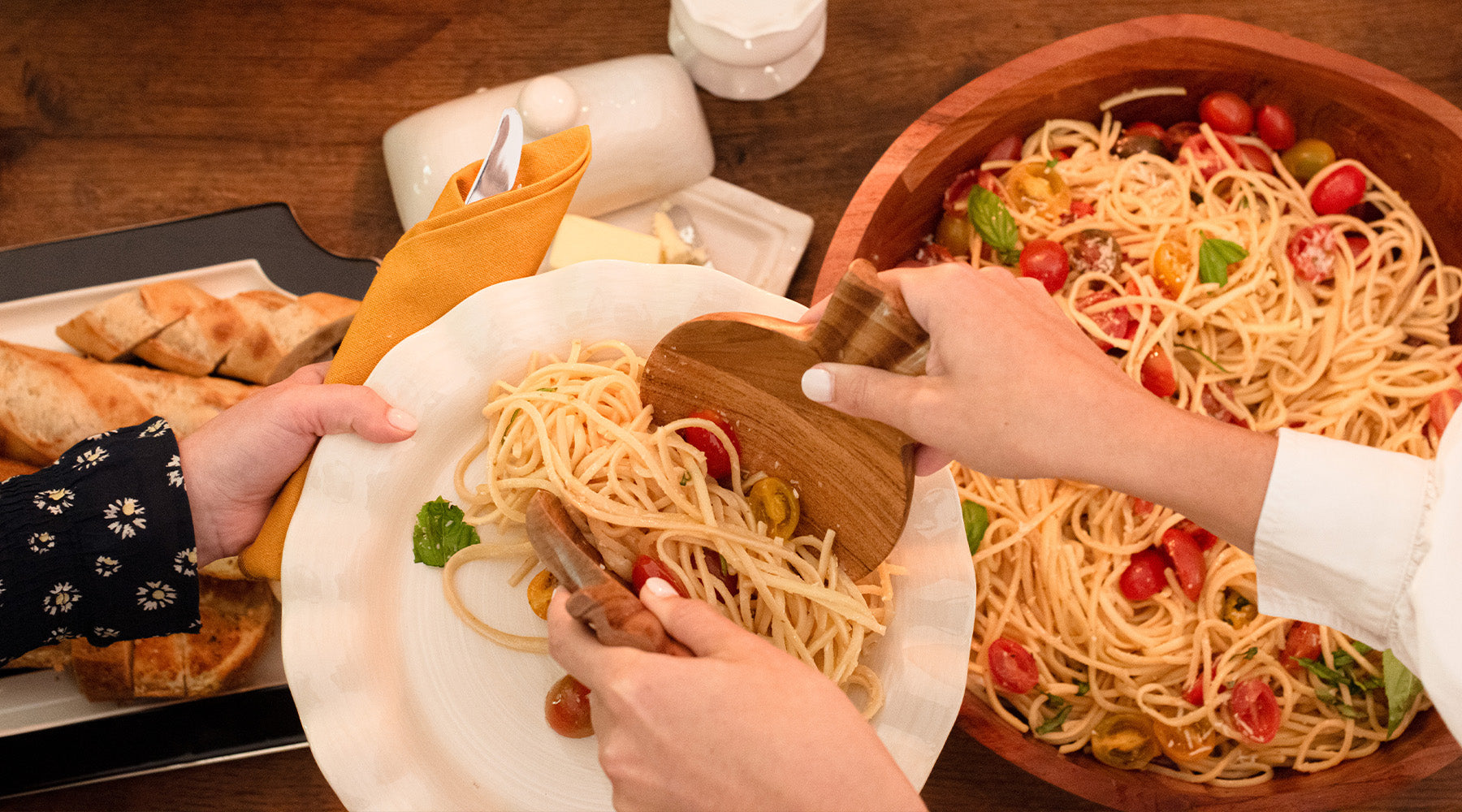
A pasta night is interactive and energetic, turning dinner into an experience. Guests can roll, cut, and fill pasta together, creating a sense of connection and fun before the first bite. Serve sauces in communal bowls and offer a selection of fresh toppings like parmesan, herbs, or chili flakes for a hands-on approach.
Large platters and shared bowls are key, encouraging everyone to reach across the table and serve themselves family-style. Consider adding a small salad or charcuterie board to complement the past without stealing the spotlight, and keep linens casual to allow for the playful, slightly messy energy of fresh pasta making.
3. Citrus Season Dinner
A citrus season dinner celebrates brightness and freshness, both on the plate and at the table. Build a menu around lemons, oranges, or grapefruits, featuring dishes like citrus-marinated roasted chicken, tangy salads, and a citrus tart or our favorite key lime pie for dessert. The goal is light, vibrant flavors that feel aligned with the season.
Let the table reflect the menu: bright napkins, glassware that catches light, and small bowls for shared garnishes like orange segments or lemon wedges. A few simple floral arrangements or sprigs of fresh herbs enhance the seasonal feel without competing with the food’s natural color and energy.
4. Backyard Grill Night
A backyard grill night turns outdoor gatherings into a casual, flavorful experience.
Your menu should feature grilled meats {we recommend our grilled flank steak with corn and avocado}, vegetables, and skewers, with side salads or grilled bread for easy assembly. Toss in a batch of grilled lemonade {seriously!} for a playful and refreshing touch with maximum flavor. The focus should be on seasonal ingredients that are easy to prep and share.
Use boards, trays, and pitchers to encourage grazing and movement, allowing guests to create their own plates. Drink stations and informal seating keep the night relaxed, while patterned napkins and colorful serveware add a hint of personality to make the gathering feel uniquely yours.
5. Brunch Grazing Boards
Brunch boards transform breakfast favorites into a visual, interactive experience. Sweet and savory bites {think pastries, fresh fruit, cheeses, and mini quiches} invite guests to create their own plates. This style is perfect for casual mornings or mid-afternoon get-togethers, making it feel both fun and leisurely.
Keep the table dynamic with a mix of board sizes, bowls, and small plates. You can organize toppings or spreads in small jars or ramekins for easy access, and add fresh herbs, berries, or edible flowers for a seasonal touch that elevates the presentation.
6. Holiday Baking Evening
Turn dessert into the centerpiece of your gathering with a holiday baking evening. Guests can decorate cookies, assemble treats, or frost cupcakes, transforming the kitchen and table into a playful workspace that encourages interaction, laughter, and creativity.
Serveware doubles as both display and functional tools: boards for rolling dough, small bowls for toppings, and festive platters for finished treats. Layer linens with seasonal colors and textures to make the workspace feel inviting. Don’t forget a small drink station with hot chocolate, cider, or mulled wine in festive mugs to complement the activity.
7. Taco Night Party
Whether you’re celebrating Cinco de Mayo, Taco Tuesday, or just looking for a reason to gather with friends over a delicious meal, a taco night brings bold flavors and lively energy to the table. Set up an all-Mexican-inspired menu with a taco bar as the main event. Make sure you have proteins, vegetables, salsas, and toppings that allow each guest to assemble their own creation.
Use colorful boards, bowls, and small plates to keep ingredients organized and accessible. Add small touches like patterned napkins, lime wedges, or fresh herbs to elevate the casual setup. Pair with simple cocktails {we enjoy a Classic Margarita} or sparkling water for the final touches.

How Do You Pair Drinks and Desserts Without Overcomplicating the Menu?
Drinks and desserts do not need to compete for attention or become an entirely separate planning process. In most gatherings, they work best as quiet complements that extend the experience without adding stress, offering a natural transition from the main meal into something slower and more relaxed.
Instead of building a full pairing menu, focus on one simple drink and one easy dessert that echoes the flavors or mood of the evening. A few thoughtful combinations can go a long way.
Drink and Dessert Pairings for Each Gathering:
Soup night – Hot tea, mulled wine, or cider with a simple loaf cake or shortbread.
Pasta night – Sparkling water, spritzes, or red wine with citrus sorbet or panna cotta.
Backyard grill night – Beer or batch cocktails with brownies or grilled pound cake with fresh berries.
Brunch boards – Mimosas or iced coffee with yogurt parfaits or mini pastries.
Holiday baking evening – Hot chocolate or coffee with decorated cookies or truffles.
Taco night – Margaritas, sparkling lime water, or Mexican beer with churros, chocolate-dipped fruit, or cinnamon sugar cookies.
The goal is not to impress with complexity, but to create an easy closing moment that feels cohesive. When drinks and desserts stay simple, guests linger longer, conversation flows more naturally, and the gathering ends on a relaxed note rather than an overproduced one.

What Are Some Hosting Tips for All Gathering Types?
Not every gathering needs the same level of structure, and hosting looks different depending on how people are arriving and how long they plan to stay. When hosting, think about the size and format of your gathering first to help you make smarter choices about what to prepare, how to serve it, and how the table should function throughout the evening.
For Small Dinners:
Prep ahead – Choose dishes that can be made in advance so you can spend less time in the kitchen and more time with your guests.
Serve family-style – Passing shared dishes keeps the mood relaxed and encourages conversation.
Edit the table – A few thoughtfully chosen serving designs feel more intentional than an overcrowded spread.
Set everything out early – Having utensils, napkins, and condiments ready prevents unnecessary interruptions.
For Quick Drop-Ins:
Plan for grazing – Focus on foods that can be enjoyed in small portions without formal plating.
Use accessible serveware – Boards and trays make it easy for guests to help themselves. Create a drink station – Keeping beverages in one visible area encourages easy self-service.
Avoid last-minute cooking – Anything that requires precise timing adds stress to an otherwise casual format.
For Formal Sit-Downs:
Structure the courses – A clear progression keeps the meal flowing smoothly.
Set individual place settings – This instantly signals a more sophisticated experience.
Keep styles consistent – Matching or complementary serveware creates a cohesive look.
Leave space on the table – Comfortable spacing makes longer meals feel more relaxed.

A Food-First Approach to Hosting
Food-first gatherings naturally support this hosting mindset. When the focus stays on what is being shared at the table rather than how everything looks, the pressure shifts. A slightly messy pasta, a bubbling pot of soup, or a table that evolves throughout the night feels more inviting than a perfectly styled setup. Hosting becomes less about impressing and more about connection, which is ultimately what guests remember long after the evening ends.
The most meaningful gatherings are rarely the ones that look perfect. They are the ones where food is shared easily, conversation flows naturally, and no one feels rushed or on display. When hosting starts with what you enjoy cooking, the rest of the evening unfolds in a way that feels simple and genuine.
Does Repetition Play a Role in Traditions?
Many of the gatherings we remember most are not the ones that happened once, but the ones that returned again and again. The same meal made every winter, the same group of friends around the table, or the same recipes that slowly become familiar all create a sense of rhythm and comfort over time.
Repetition turns simple gatherings into traditions – a monthly soup night, a yearly holiday baking evening, or a regular Sunday pasta dinner gives people something to look forward to, not because it is new, but because it is known. These repeated moments build emotional meaning through familiarity, turning ordinary meals into lasting memories that feel personal, grounding, and deeply connected to home.
Whether it’s a cozy soup night, a hands-on pasta dinner, or a casual brunch with friends, food has a way of bringing people together without forcing the moment. At its best, hosting is not about creating a flawless experience but about creating space for connection, laughter, and memories that are savored for years to come.