
Transform the Way You Host with Curated Place Settings
A well-designed place setting sets the tone for the entire gathering before anyone even sits down. It signals how the meal will feel, how the evening will flow, and what kind of experience guests can expect to share around the table. The visual rhythm of plates, table linens, glassware, and small personal details creates a thoughtful atmosphere.
From casual family dinners to large buffet-style celebrations and themed events, the way the table is set quietly shapes the mood of the moment. Color, texture, and shape influence everything from energy levels to how long people linger in conversation. When these elements are chosen with intention, the dining table becomes a natural extension of your hosting style rather than just a functional setup.

What is a Place Setting?
A place setting refers to the collection of tabletop elements arranged for each guest at the table, creating both structure and visual flow. At its simplest, it includes dinner plates, flatware, and glassware, but a more layered place setting might also feature chargers, placemats, and napkin rings to add depth and personality. Together, these tabletop accents form a cohesive moment that balances function with style, helping guests intuitively understand where to sit, what to use, and how the meal will unfold.

What Are the Essentials for a Place Setting?
Every place setting is built from a few foundational elements that work together to support both function and atmosphere. When chosen thoughtfully, these essentials create visual consistency across the table while still leaving room for personal style, seasonal touches, and creative layering.
Place Setting Essentials:
- Dinner plate – The anchor of any place setting, dinner plates establish scale and serve as the visual base for everything layered on top. From everyday meals to formal gatherings, the design and color of your dinner plate often set the tone for the entire table.
- Salad plate – Placed above or on top of the dinner plate, salad plates introduce a secondary layer that adds dimension and flexibility to your table styling. They are ideal for appetizers, desserts, or simply adding contrast through pattern and color.
- Table linens – From tablecloths to napkins, linens bring softness and texture to the table, balancing the structure of plates and flatware. They also play a major role in mood-setting, whether you are aiming for something relaxed, elevated, or seasonal.
Considerations For Your Tabletop Essentials
When choosing your tabletop essentials, start by considering the type of gathering you are hosting and how you want guests to feel when they sit down. The scale of your table, the style of your meal, and the overall mood you are trying to create should all guide decisions around dinner plates, salad plates, linens, and other tabletop accents.
Thoughtful choices in color palette, material, and shape create a setting that feels cohesive rather than crowded. This allows each element to serve a purpose while contributing to the table's atmosphere.

How Should the Meal Influence Your Place Setting?
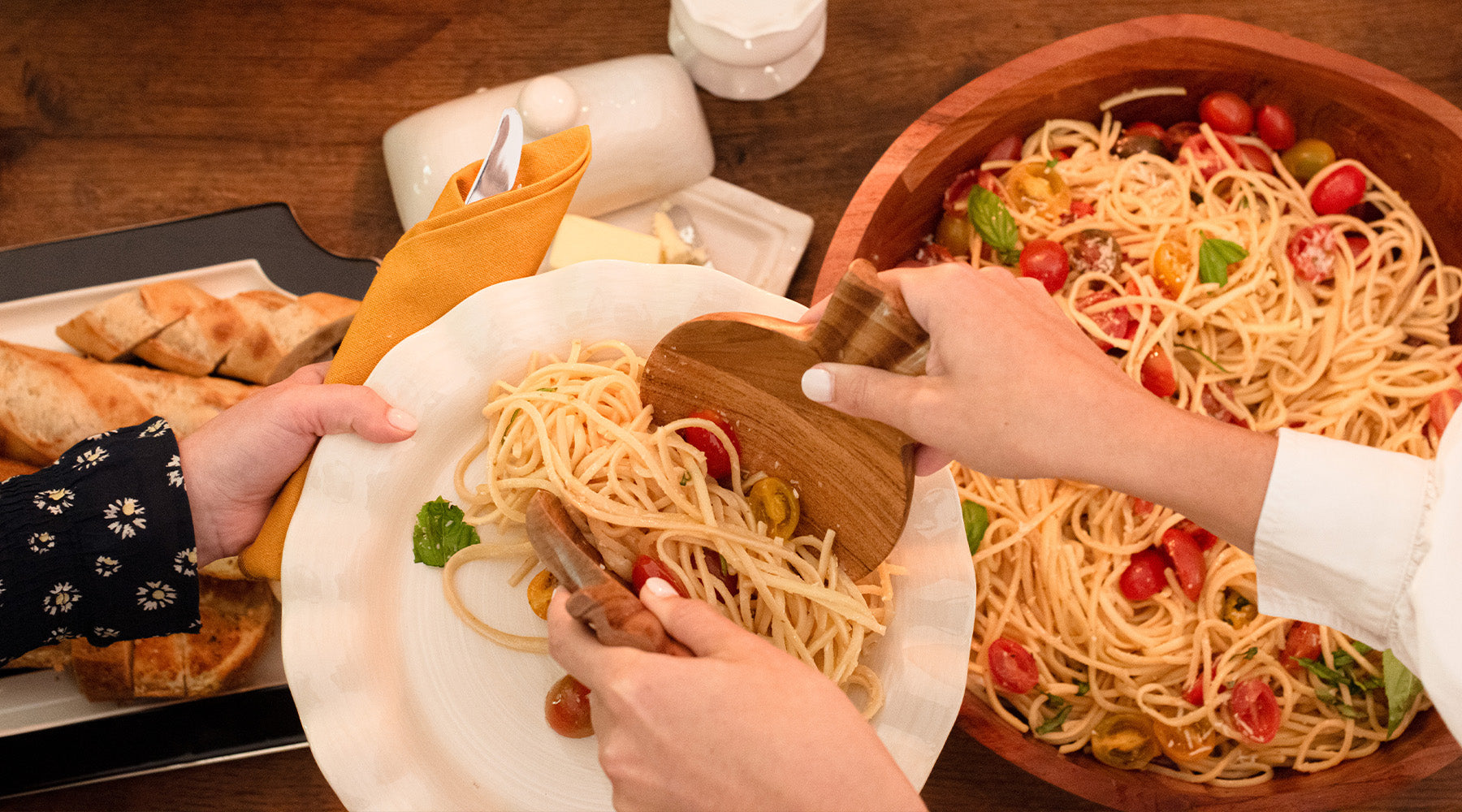
The type of meal you are serving should play a central role in how you build your place setting. Heavier or multi-course menus benefit from layered arrangements that visually signal what is coming next, while one-bowl meals, family-style serving, or buffet spreads call for simpler, more flexible setups. Choosing dishes that suit the food, such as bowls for courses with lots of sauce or wide dinner plates and salad plates for composed meals, enhances presentation and the overall dining experience.

Can Design Elements Influence Your Table Setting?
Your place setting should reflect the mood of the gathering while remaining balanced. Thoughtful attention to color, texture, and shape allows hosts to craft a table that feels inviting and harmonious. Each element contributes in subtle ways, guiding the atmosphere, enhancing the meal, and creating a sense of cohesion across the table.
Color: Setting the Mood Through Hues
Color plays a subtle but powerful psychological role in shaping the mood of a table. Warm tones {reds, oranges, and golds} encourage conversation and energy, making them perfect for festive dinners or lively family meals. Cool tones {blues, greens, and soft lavenders} promote calm and relaxation, ideal for intimate or more formal gatherings.
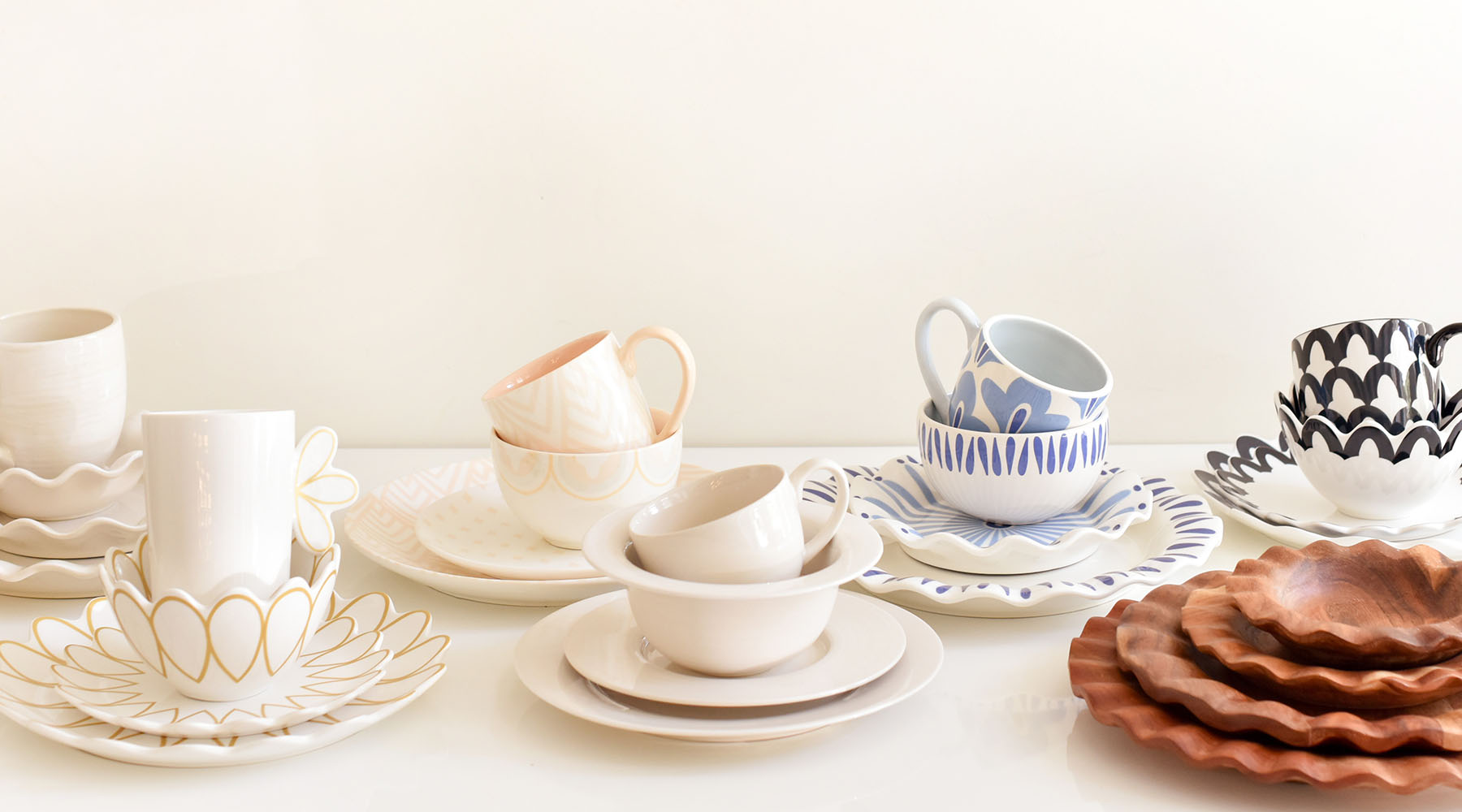
Neutrals {beiges, creams, and soft whites} offer a grounding backdrop, allowing patterned dinner plates, salad plates, or bold napkins to stand out without feeling overwhelming. Thoughtful color combinations across linens, dishes, and tabletop accents can subtly guide guests’ feelings and interactions, turning each place setting into an intentional experience.
Texture: Adding Depth and Warmth
Texture adds tactile interest and visual depth, turning a flat table into a layered, inviting experience. Rough-hewn wood chargers, smooth ceramic dinner plates, woven placemats, and soft linens create contrast that brings your table to life.
Mixing textures helps soften harder surfaces, like glass or flatware, and adds warmth to casual gatherings, outdoor meals, or buffet-style setups. Textural variety also encourages guests to linger at the table, engaging both their sight and touch.
Shape: Defining Form and Flow
Shape can quietly transform how a table feels and how guests experience a meal. A softly rounded bowl or gently curved plate invites touch and interaction, giving the table a warm, approachable energy. Angular or geometric forms, on the other hand, feel deliberate and modern, drawing the eye and adding a sense of structure.
By mixing curves and clean lines, you create visual interest that keeps the table lively without feeling chaotic. Shape doesn’t just guide the look of your place setting—it influences how people move, reach, and linger around the table, making it a subtle but powerful part of the dining experience.

What Are the Steps for Styling a Place Setting?
Designing a place setting works best when approached in layers. Begin with the largest visual elements, such as tablecloths and placemats, and build inward {and upward}, letting each choice support the next. This thoughtful progression ensures the table feels cohesive, functional, and visually engaging, setting the stage for a meal that is both inviting and memorable.
Step 1: Choose Table Linens
Linens form the foundation of any place setting, shaping both the visual flow and the feel of the table. They introduce color, texture, and softness, balancing the harder surfaces of plates, flatware, and glassware while adding a tactile element that draws guests in. Thoughtful linens can transform a simple meal into a more inviting, layered experience.
Various Table Linen Styles to Choose From:
- Bold placemats and napkins – Saturated colors, such as our Red Color Block Round Placemats and Red Stripe Napkin Set, energize the table and create a sense of occasion. They are perfect for festive dinners, themed parties, or lively family meals, and instantly shift the mood of the gathering.
- Neutral placemats and napkins – Soft, muted tones, like our Ecru Color Blocked Napkins and Ecru Color Blocked Placemats, provide a calm, timeless backdrop. Neutral linens allow your dishes, tabletop accents, and food presentation to take center stage while keeping the table feeling understated and refined.
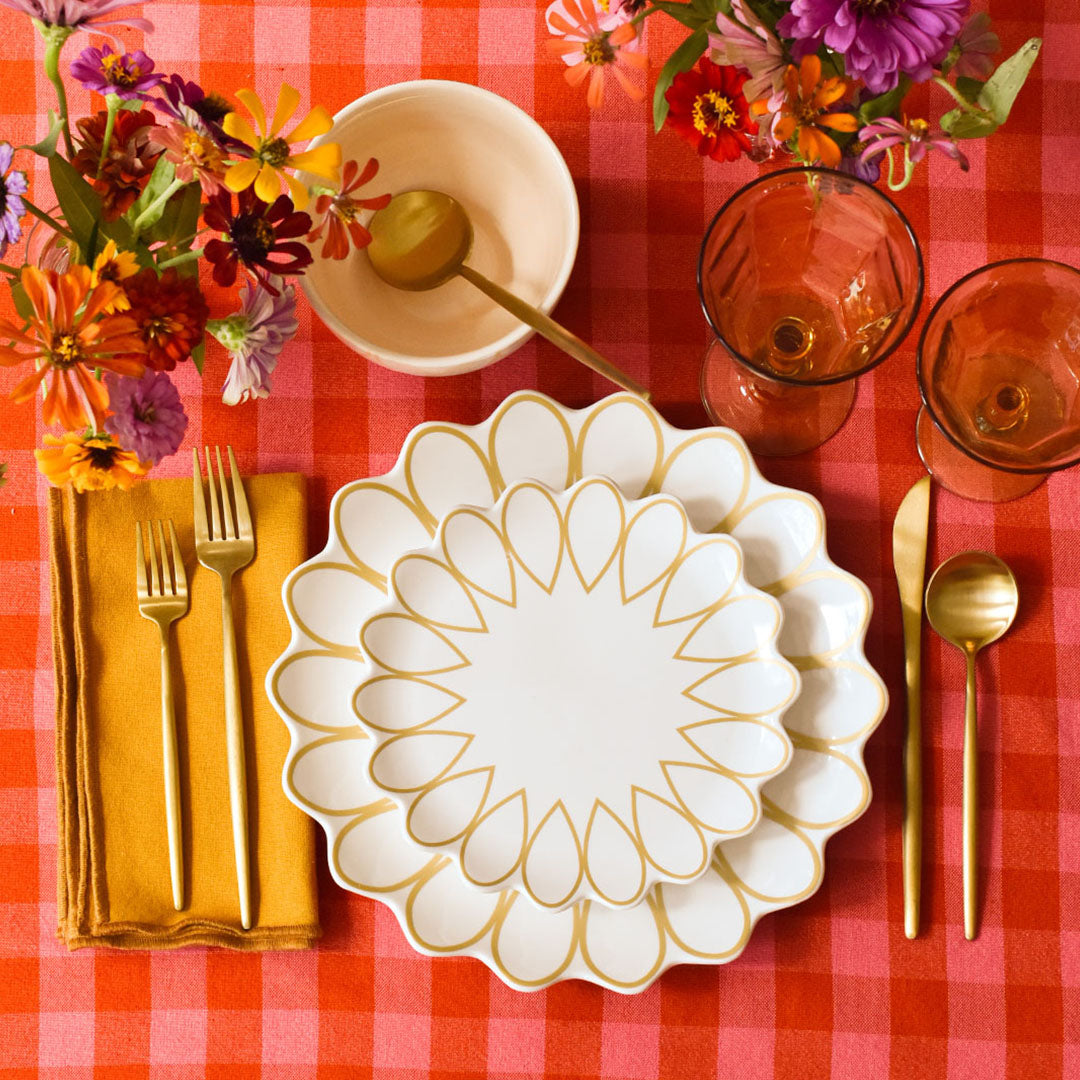
- Design placemats and napkins – Subtle patterns, such as our Deco Gold Scallop Round Placemats and Gold Star Napkin Set, introduce warmth and visual interest without overwhelming the table. They work beautifully for casual gatherings, outdoor meals, or buffet-style setups, bringing a sense of cohesion {and just a hint of glam} to the layered place setting.
Step 2: Layer Your Dishes
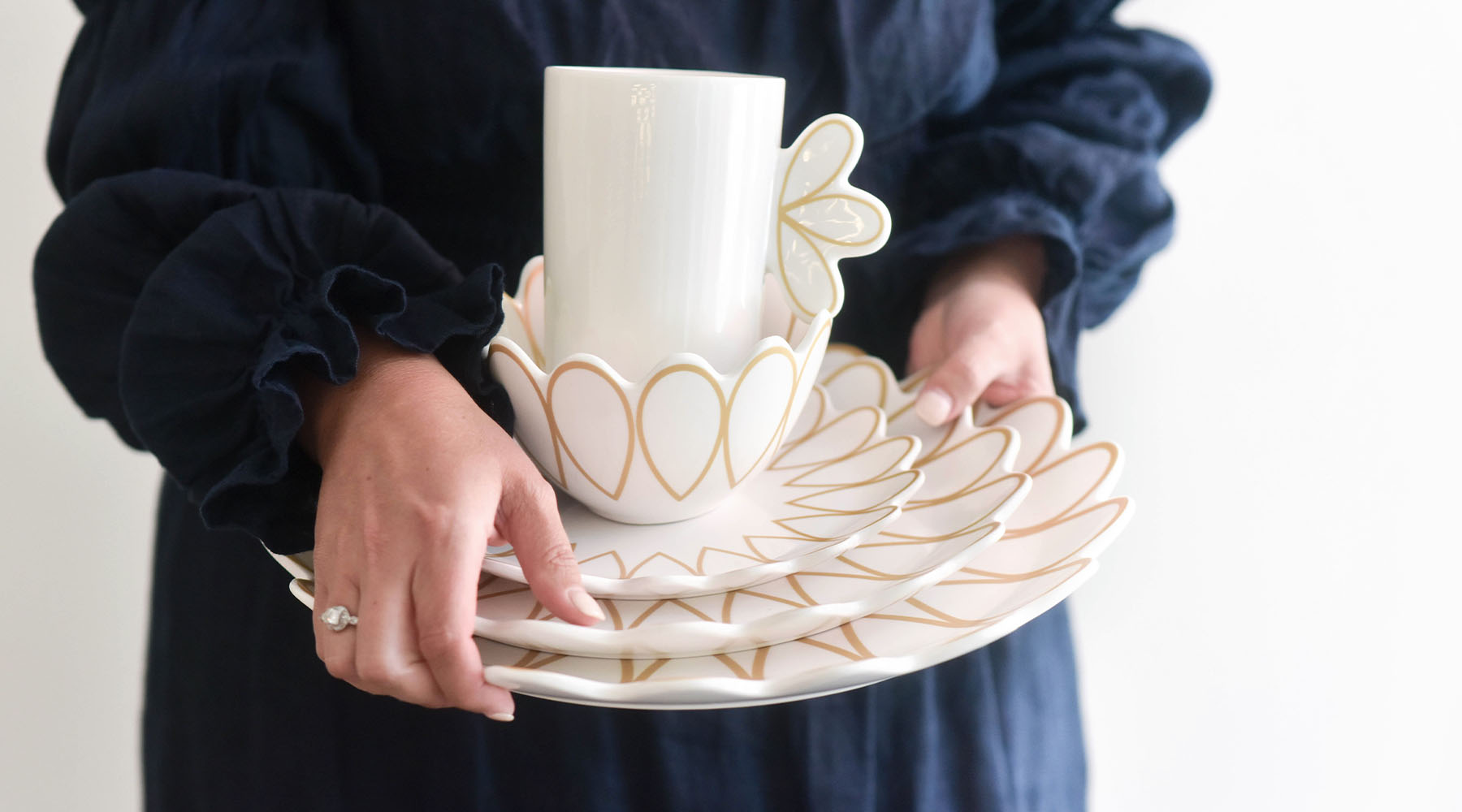
The right combination of dinner plates, salad plates, and bowls can turn a simple meal into a visually engaging experience. Our Fundamental Wood Ruffle Dinner Plate acts as the foundation, while our Citrus Ruffle Salad Plate adds dimension and a pop of color or pattern, signaling a multi-course meal.
Our Signature White Ruffle Bowl is perfect for soups, pastas, or shared-style dishes – its cozy, rounded shape softens the table and encourages a communal feel. Playing with shapes, patterns, and colors allows you to create rhythm and contrast, making each place setting feel curated without being formal.
Step 3: Pick Utensils and Drinkware
Utensils anchor each place setting, providing both function and a subtle design element. Simple, clean designs feel timeless on the table, while interesting finishes or details can add personality and visual interest. Choosing styles that are practical for everyday use ensures they feel easy to hold while still enhancing the tablescape.
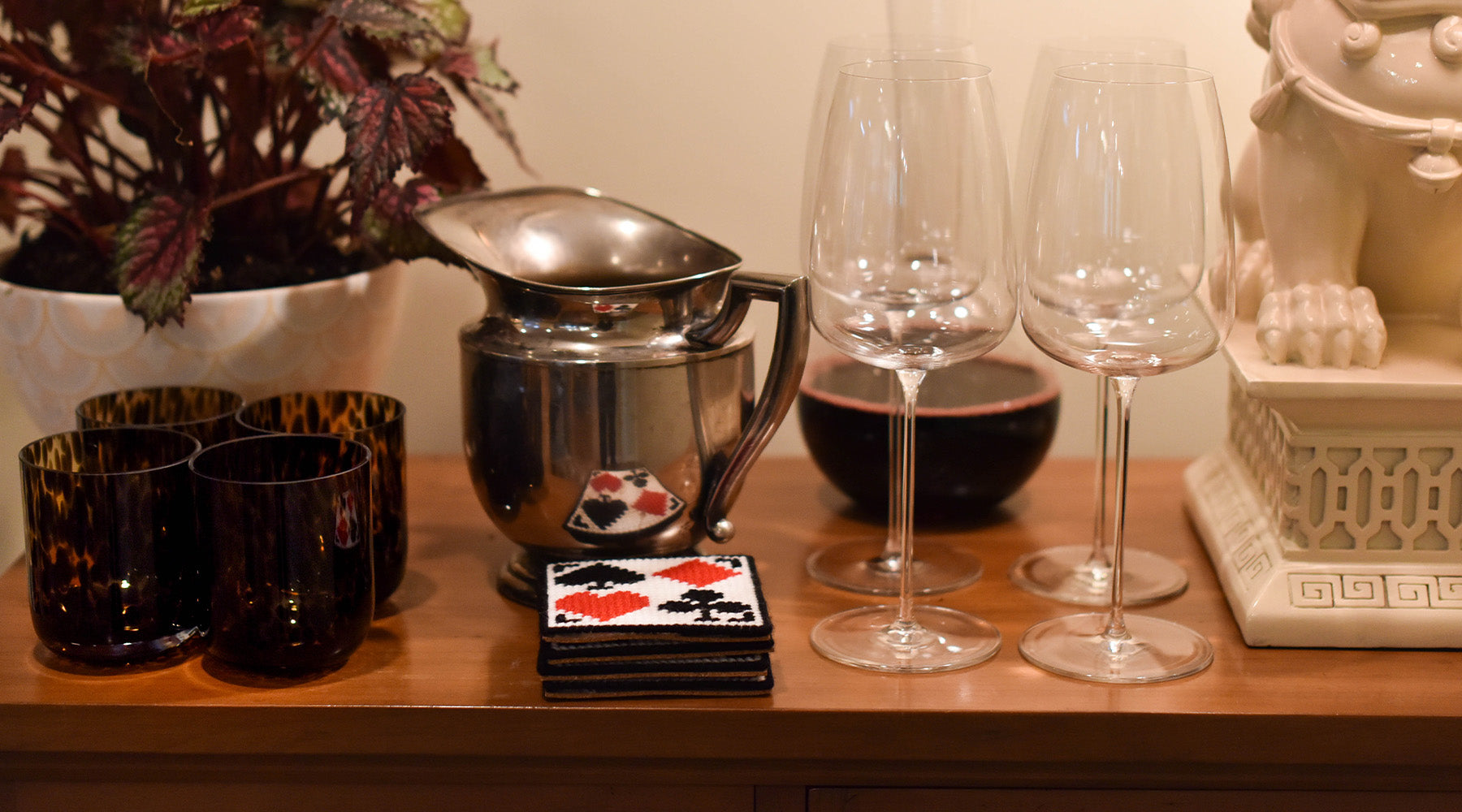
Drinkware influences how beverages are experienced and enjoyed. Chic glassware {we recommend Estelle Colored Glass} adds sparkle and sophistication, while mugs and tumblers bring warmth and a relaxed feel, perfect for a casual table setting. Together, utensils and drinkware balance functionality with style, helping each place setting feel complete.
Step 4: Complete the Look with Table Accents and Accessories
Tabletop accents add personality to a place setting without creating clutter. They help set the mood, spark conversation, and support the overall atmosphere, rather than competing with the meal itself. From small decorative touches to functional designs, accessories give each table a curated look and feel.

Table Accessory Ideas for Your Place Settings:
- Candles – Introduce warmth and soft lighting, perfect for evening meals or more intimate gatherings. Pair them with complementary candle holders to complete the look.
- Small floral arrangements – Bring color, texture, and a natural element to the table without taking up too much space.
- Decorative bowls or trays – Use for condiments, appetizers, or seasonal accents to add function and style.
- Unique salt and pepper shakers – A small, practical accent that reflects your personality or theme.
- Place cards or name tags – Make guests feel welcome and add a personal touch to each plate setting.

How Do You Adjust Your Table Settings for the Holidays?
Holiday tables often balance tradition with personal style, creating a festive atmosphere that still feels in line with your everyday style. Anchoring the table with classic elements provides a foundation, while seasonal colors, textures, and accents bring the energy of that specific season.
Table Settings for Christmas
Our various Christmas collections are full of rich reds, greens, and metallic accents. Red dinner plates paired with gold or natural-toned linens create a classic holiday look, while patterned salad plates or napkins add playful personality. Small decorative accents, like ornaments or votive candles, can tie the table together and bring seasonal cheer.
Place Settings for Thanksgiving
For Thanksgiving, warm, earthy tones work beautifully – think burnt oranges, deep browns, and soft creams. Our Give Thanks Collection makes a perfect foundation for your Thanksgiving table.
Layer stoneware dinner plates with patterned salad plates and textured placemats to create a cozy, autumnal feel. Add natural elements like small pumpkins, gourds, or seasonal foliage for centerpiece inspiration.
Easter Table Inspiration
Spring table settings feature pastels and fresh neutrals, making Easter the perfect opportunity to lean into soft color and light textures. Pair gentle linens with colorful salad plates or subtly patterned napkins to create a table that feels cheerful but still polished. Small floral arrangements, pastel eggs, or playful seasonal décor bring in a festive touch without overwhelming the place setting.
Valentine’s Day Table Settings
Valentine’s Day tables can be romantic or playful, depending on the mood you want to create. Layer red or pink napkins with neutral or patterned dinnerware, and consider heart-shaped accents or gold-toned flatware to elevate the setting. Candles and small floral touches add warmth and intimacy, making each place setting feel special.

Hosting Tips for Functional Place Settings
A well-designed place setting should feel as good to use as it looks, especially when meals involve multiple courses or shared dishes. Thoughtful spacing and flexible layering make it easier for guests to move, serve, and settle comfortably.
5 Tips for Functional Place Settings:
- Leave breathing room – Avoid overcrowding each setting so guests have space to rest their arms and reach for shared dishes without disruption.
- Layer with purpose – Stack only what will actually be used to prevent constant rearranging during the meal.
- Adapt the format – Family-style meals benefit from fewer dishes, while plated or multi-course dinners can support more structure.
- Plan for drink placement – Keep glassware slightly above and to the right of the plate to prevent spills and clutter.
- Make room for movement – On buffets or casual tables, leave space for dinner plates to be cleared or swapped without disturbing the entire setting.
Designing a thoughtful place setting is about creating an experience that feels inviting, intuitive, and personal. When elements like color, texture, shape, and function work together, the table becomes an extension of how you host – setting the tone before the first course is ever served. Whether you’re styling for everyday meals or special occasions, small, intentional choices can transform the way guests connect, linger, and enjoy the moment around the table.