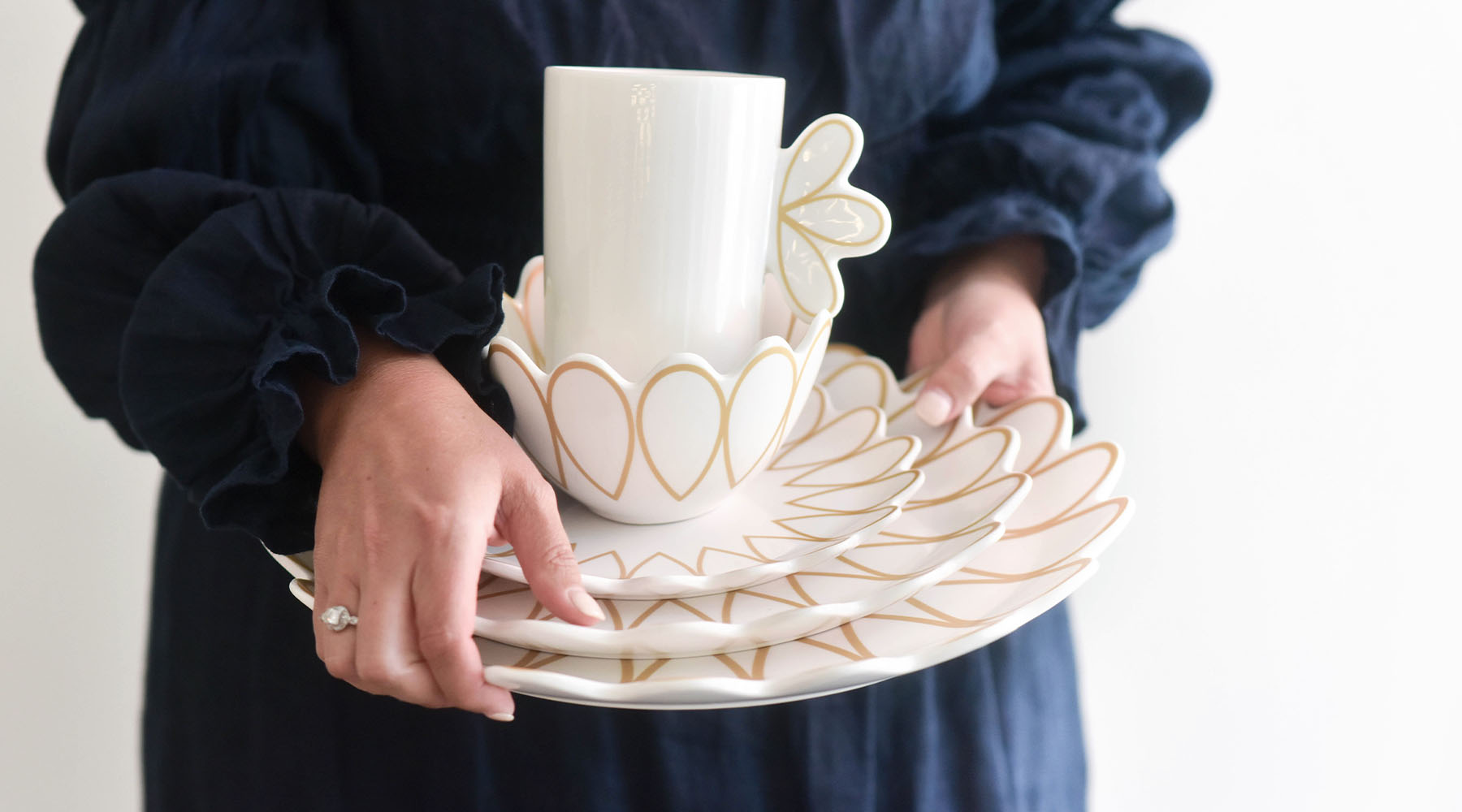

Why You Don’t Need Matching Dishes to Set a Beautiful Table
A beautiful, intentional table isn’t about having perfectly matching designs – it's about creating a setting that feels personal, welcoming, and thoughtfully layered. Mixing different dishes, plates, and bowls allows your table to tell a story that’s uniquely yours, blending memories, styles, and colors into one cohesive look.
Whether you’re pairing heirloom styles with new favorites, combining collections from different eras, or stretching your dinnerware collection to host more guests, a mismatched table can feel easy and sophisticated. With a few thoughtful choices, you can create a setting that feels perfectly put together in its own way.

Why Mix and Match Your Dishes?
Mixing different dishes, plates, and bowls is more than a solution for a missing set – it's a form of personal expression and a way to curate your own unique dinnerware collection. A mismatched table tells your story through layers of color, pattern, and texture, offering a glimpse into your personality as a host. The goal isn’t a perfectly coordinated look but, instead, harmony through repetition in detail, balance in layout, and a collected-over-time look that feels intentional.
Like composing a mood board or styling an outfit, your table becomes a creative canvas. Each design you add contributes to a larger narrative, blending tradition with modern touches to create a tablescape that feels authentic to your personality.
How Mismatched Dishes Can Bring Your Table to Life
When you embrace variety, you invite warmth and individuality to every meal. Mismatched dinnerware makes it easy to experiment with seasonal colors or layer in sentimental favorites {think: heirloom styles, handmade bowls, or market finds} without overhauling your entire collection. The result is a table full of character and charm that evolves with you over time.
Whether you’re setting the scene for a cozy brunch or a festive holiday gathering, mixing plates and bowls that you already have encourages creativity and connection. No two tables ever look the same, which makes every occasion feel distinct and personal.

When To Use Mismatched Dishes
No matter the occasion, mismatched dinnerware can be styled to feel intentional and polished. Choosing when to use mix-and-match dishes helps you plan a table that balances practicality with personality. From everyday meals to special celebrations, there’s a mix-and-match approach for every moment.
Best Times to Use Mismatched Dishware:
- Everyday meals – Ideal for expressing your personality at every meal and making each table feel unique.
- Holidays – Perfect for layering special styles with your everyday favorites to create a festive and memorable look.
- Large gatherings – When you don’t have enough matching sets for everyone attending, mixing plates and bowls gives you flexibility without sacrificing style.
- Outdoor dining – Perfect for embracing a more relaxed, eclectic style in your tablescape.

What Are the 3 Best Ways to Mix and Match Your Dishes?
Sometimes mixing and matching plates and bowls isn’t an optional design choice – it's a practical solution. When you’re hosting a larger gathering than your matching dinnerware can accommodate, skip the disposable plate and bowl options and get creative with what you already own. With a thoughtful approach, you can extend your table while keeping it cohesive and stylish.
1. Semi-Matching Dish Sets
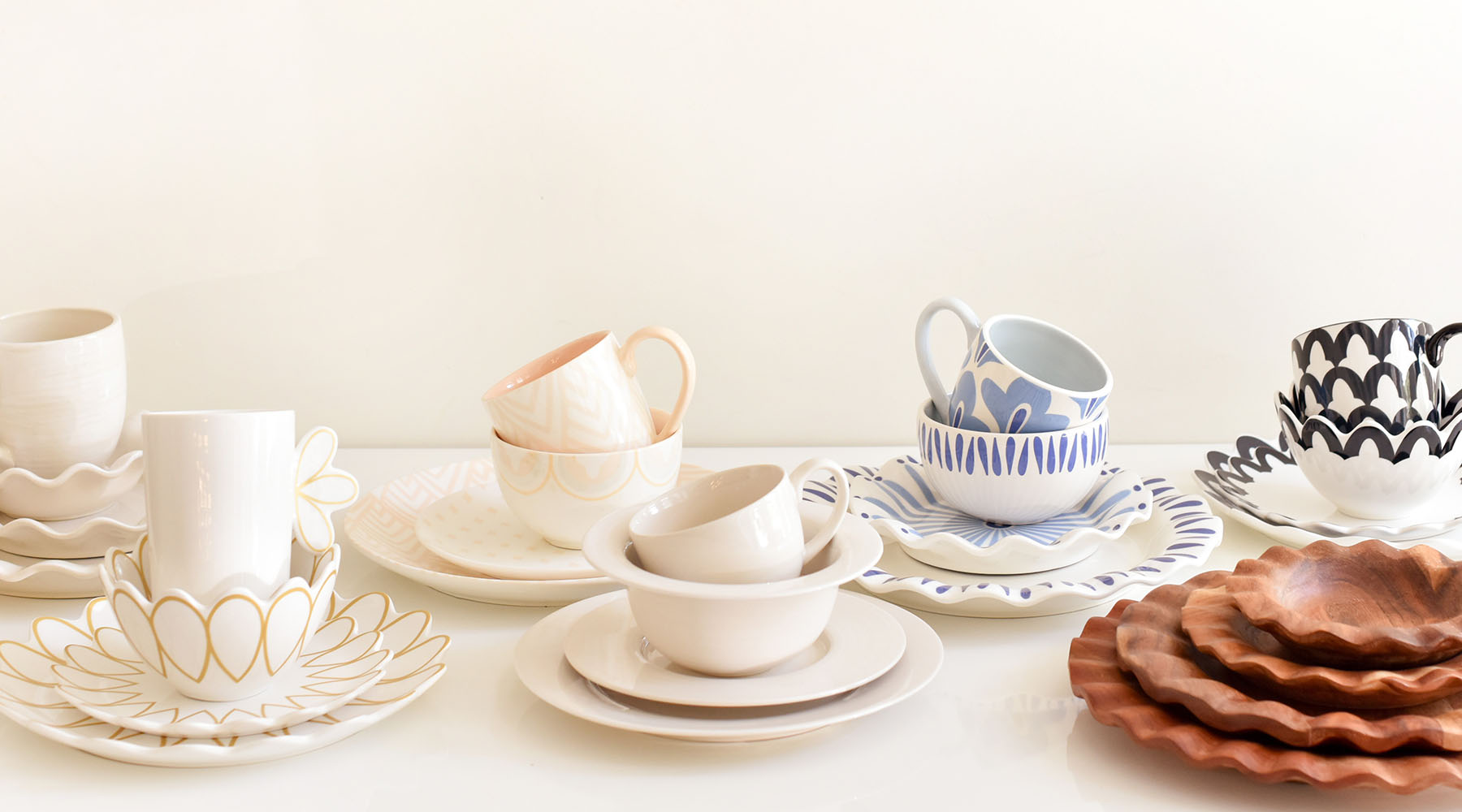
Use matching plates with matching bowls, even if they come from different collections. For example, all your bowls would be from our Signature White Collection, while all your plates are from our Iris Blue Collection. This approach creates harmony within each dish type while still mixing styles across the table.
2. Alternating Matching Dish Sets
If you only have multiple partial sets, alternate them across the table. Some seats use one set of plates and another set of bowls, while other seats reverse the combination. This method keeps the table visually balanced while embracing variety.
3. Fully Mixed Dish Sets
Combine different plates, bowls, and other dinnerware within a place setting. Repeat or alternate these mixed settings throughout the table for added depth, texture, and personality. This method is ideal when building a larger table from what you already own.
Pro tip: Accent salad plates can serve as stunning table accessories. They provide an easy way to introduce new color palettes or patterns and refresh your place settings without the need for a complete set.

What Are the Core Styling Principles of Mismatched Tables?
Mismatched doesn’t mean messy – styling with a few key design principles ensures a table feels intentional and cohesive. Focus on balance, repetition, layering, and contrast to bring structure and unity to your mix-and-match dinnerware. With these principles, every table can feel curated and personal.
How Can You Create a Balanced Table with Mismatched Dishes?
Spread colors, dinnerware shapes, and patterns evenly across your table to avoid clustering visual weight in one area. Alternating place settings or distributing bold patterns throughout keeps your table from feeling heavy on one side. Balance ensures that your mixed plates and bowls feel harmonious rather than chaotic.

Use Repetition for a Coordinated Look
Repeating key elements, such as color, texture, or shape, creates unity across your table. Echo similar tones with cloth napkins or chargers that tie in colors or patterns. For example, using napkins in the same hue throughout the table instantly connects different plates and bowls for a cohesive look.
What Role Does Layering Play in Your Table Design?
Stacking styles adds depth and visual interest. Begin with a cloth placemat, then layer a dinner plate, a salad plate, and a bowl. Pair bold patterns with neutral accents to let statement dinnerware shine and incorporate natural textures like wood serving boards or selections from our Fundamentals Collection for warmth. Designate anchor designs {the same charger or salad plate at each setting} to steady the overall look.

Using Contrast with Intention
Contrast brings energy and personality to your table, but balance is essential. Mixing finishes, shapes, or patterns adds a dynamic edge – like pairing a vintage floral salad plate with a sleek white dinner plate. Thoughtful contrast makes each design stand out without overwhelming your tablescape.
The Importance of Color in Mismatched Place Settings
A thoughtful color palette is key to making mismatched dishes feel cohesive. Choose one or two color families to guide your table and then mix within those ranges. Anchoring your table in a consistent palette lets you add different patterns and textures without the table setting feeling disjointed.
To keep your look fresh, add small pops of seasonal color through cloth napkins, cloth placemats, or accent plates. These quick updates bring a new mood to your table without requiring a full refresh.

Dish Color Accents by Season
- Spring – Soft pastels like lavender, butter yellow, and blush pink
- Summer – Bright corals, ocean blues, sunny yellows, and crisp whites
- Autumn – Rust, olive, deep amber, warm terracotta, and mustard
- Winter – Icy blues, evergreen, rich metallics, and deep jewel tones
Seasonal Transitions Made Easy
Refreshing your table for each season doesn’t require buying a whole new set of dishes. Swap in cloth napkins, accent bowls, or seasonal cloth placemats to shift the mood while keeping your core collection intact.
Think of it as a simple way to keep your mix-and-match approach feeling fresh year-round. Spring pastels can transition to summer brights, autumn earth tones, and winter metallics, letting you celebrate each season without the stress of overhauling your plates and bowls. It’s an easy, intentional way to layer color and texture while making your table feel seasonally relevant and inviting.

What Colors Work Best for Mismatched Table Settings?
Once you’ve chosen your overall palette, it helps to think about the specific dinnerware and color families that can bring it to life. Some hues act as timeless anchors, while others add personality or seasonal flair. From classic neutrals to bold tones, these combinations make it easy to mix and match your dinnerware with confidence.
Timeless White Dishes
A go-to base for any table, white dishes from our Signature White Collection pair perfectly with nearly any pattern or palette. Their neutral tone allows you to mix in colorful salad plates or patterned cloth napkins to shift the mood for different seasons or occasions. Timeless and versatile, they create a crisp foundation for any style.
Black and White Dishes
High-contrast yet endlessly adaptable, black and white dishware, like the selections from our Crew Collection, work beautifully with both bold and muted color schemes. Pair them with bright linens for a modern pop, or add wood textures for a grounded, balanced look. This combination brings instant sophistication to your table.
Glamorous Gold Dishes
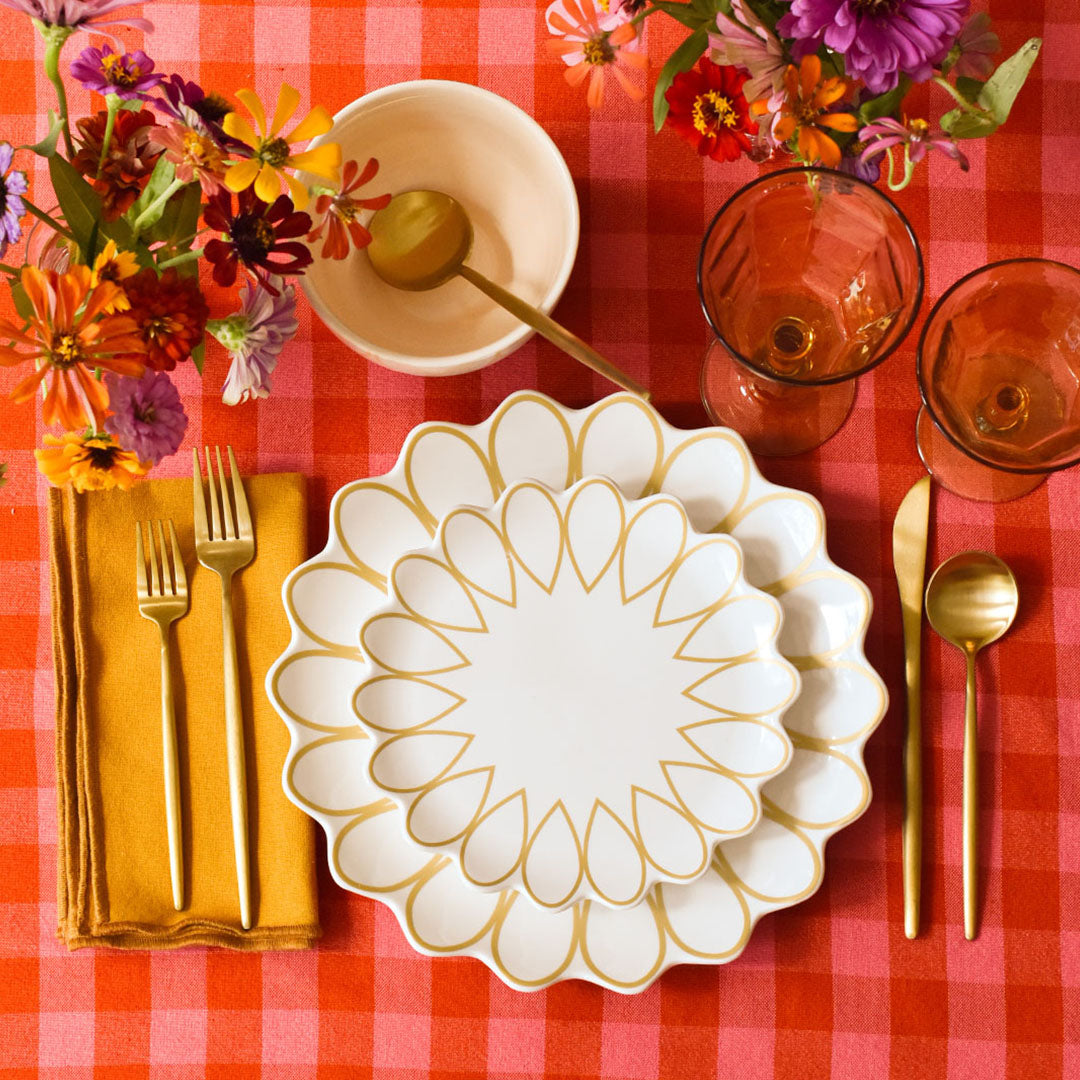
Gold dishes, like designs from our Deco Collection, bring warmth, glam, and a subtle sense of celebration, making them excellent for holidays or special occasions. They mix well with neutrals or deep jewel tones to create a rich, layered look. A hint of gold instantly elevates your plates and bowls, turning even simple meals into something special.
Blue and White Dishes
Timeless and fresh, blue and white dishes from our Iris Blue Collection offer a classic look that’s easy to refresh throughout the year. They pair beautifully with natural textures, florals, and seasonal accents for a style that feels both traditional and current. This versatile duo provides an ideal base for layering other colors and patterns.

How Can Cloth Napkins and Placemats Transform Your Table?
Textiles are the secret to bringing a mismatched table together. Cloth placemats help elevate your table while also grounding each place setting and providing a defined foundation for your dishes. They add texture, warmth, and a sense of order that keeps even the most varied plates and bowls feeling intentional.
Whether you want to tie your color palette together or add a playful pop, cloth napkins are the easiest styling tool. Repeat a core color across all napkins for a cohesive feel, or mix contrasting hues to create interest. Experiment with cloth napkin fold styles to change the mood without swapping out your dishes.
Finishing Touches for a Mismatched Table
Once your dishes and linens are set, look to the finishing details that complete your table’s story. Elements like glassware, utensils, candle holders, and centerpieces can echo the colors or textures from your plates and bowls, reinforcing your overall look. Mixing metals, glass finishes, or floral tones adds subtle dimension without feeling overdone.
Think of these accents as your table’s jewelry – they pull together the look and make it shine. A vintage pitcher, hand-blown glasses, or fresh greenery can add warmth and personality, while small votives or taper candles can create ambiance. These details ensure your mismatched table feels thoughtfully layered from top to bottom.

How Can You Mix and Match Table Settings for Any Occasion?
Mixing and matching dishes gives you endless flexibility to create tables for every occasion. From a casual dinner at home to a festive celebration, combining colors, textures, and patterns lets you design a table that feels collected and thoughtfully set.
Tablescape Ideas for Every Gathering:
- Weeknight dinner table – White dinner plates, red patterned bowls, navy napkins, and blue cloth placemats to pull everything together.
- Weekend brunch – Pastel plates, sunny yellow bowls, and floral cloth napkins that echo the color story.
- Holiday table – Red and green serving dishes, neutral dinner plates, gold-accented bowls, and coordinating cloth placemats for a polished seasonal look.
- Outdoor gathering – Al fresco affairs call for light linens, colorful dishes in summer brights, and wooden serving styles for natural contrast.
- Birthday celebrations – Mix patterned salad plates with solid dinnerware in coordinating hues and add a metallic napkin ring or festive paper place card for a celebratory touch.
- Sophisticated dinner party – Combine gold-rimmed plates, black cloth napkins, and crystal glassware with white linens to create a contrast that feels elevated but not overly formal.
A mismatched table tells a story – one that’s layered with personality, creativity, and care. When you mix thoughtfully, you invite warmth and authenticity to the table, reminding guests that hosting is less about perfection and more about connection.
You don’t need matching dishes to set a perfect table. The magic is in the mix – where your favorite patterns, colors, and textures come together to tell your story. Start small, adding styles over time that make you smile. Because in the end, a mismatched table isn’t about perfection – it's about joy, creativity, and the people who fill the seats around it.