Our Guide to Setting the Table for Any Occasion, from Casual Gatherings to Formal Dinners
Setting the table is more than a finishing step. It’s where your style, your home, and your approach to gathering come together. Whether you’re hosting a celebration or sitting down for a quiet meal, knowing how to set a table with intention transforms an ordinary meal into a memorable experience. A thoughtfully arranged table signals warmth before a single dish is served.
Today’s tables aren’t governed by strict rules or the pressure of perfection. The best table settings are personal, layered, and reflective of the host behind them. This table setting guide brings together essential ideas to help you style your table with confidence and offers a starting point for exploring your own approach to the art of gathering.

Why Should You Set the Table?
Taking the time to set a table transforms even the simplest meals into something meaningful. It signals a shift from busy routines into a moment of connection and presence. A thoughtful table setting creates a welcoming environment for guests and family, encourages slower and more intentional meals, and elevates everyday dining without adding complexity.
Even small rituals, like placing linen napkins or arranging plates, can make a meal feel more complete. Setting a table you love isn't about formality or following a strict table setting guide to the letter. It’s about creating a space where people feel comfortable gathering and where the meal itself becomes an experience worth slowing down for.

What are the Rules of Table Setting?
While modern tables are more flexible, a few foundational guidelines help create a sense of order and ease when you set a table. These rules are less about strict formality and more about making the dining experience feel intuitive for everyone at the table. Think of them as a helpful starting point rather than a rigid checklist.
A Few Simple Table Setting Guidelines to Know:
Outside in – Utensils are used from the outside moving inward with each course.
BMW – Bread on the left, meal in the middle, water/wine glass on the right.
Knife blades – Always face inward toward the plate.
Glassware – Placed above the knives, to the upper right of the plate.
Napkins – Placed on the plate or to the left of the forks.
Forks – Always on the left, knives and spoons on the right.
Charger plates – Sit beneath the dinner plate and are removed before the main course.
Spacing – Allow at least 24 inches per place setting so guests feel comfortable.

How Do You Create a Basic Table Setting?
A basic table setting is the foundation of any well-dressed table, ideal for everyday meals that call for something simple, clean, and easy to pull together. It gives you everything you need without overcomplicating the experience. Whether you’re sitting down for a weeknight dinner or a laid-back lunch, this is your starting point for how to set a table with ease.
What Do You Need for a Basic Table Setting?
- Dinner plate
- Fork {left side}
- Knife {right side}
- Spoon {if needed}
- Drinking glass
- Napkin

What is a Casual Table Setting?
The perfect casual table setting builds on the basics with a few added layers, making it ideal for relaxed gatherings or weekend meals with family and friends. It feels thoughtful without being overly structured, striking the balance between relaxed and considered. This is the table setting style that works best for everyday entertaining, where comfort is just as important as style.
Essentials for a Casual Table Setting:
- Dinner plate
- Appetizer or salad plate
- Fork {left side}
- Knife {right side}
- Spoon {if needed}
- Drinking glass or optional wine glass
- Napkin {folded or styled}

What Extras Can Elevate Your Casual Table Setting?
Extras are optional additions that enhance your casual table setting without being necessary for every meal. They allow you to tailor your table to the occasion and create a more layered, intentional look when you set a table. Think of them as the finishing touches that take a well-set table from complete to considered.
A Few Extras Worth Exploring for Your Tablescape:
Placemats – A simple way to anchor each place setting and add color or texture to your table.
Place cards – A personal touch that makes guests feel seen, especially at larger gatherings.
Napkin rings – An easy way to add polish and personality to your table setting.
Bread plates and butter knives – A small addition that makes a big difference at dinner parties and longer meals.
When Should You Use a Formal Table Setting?
A formal table setting is designed for multi-course meals and special occasions where the dining experience calls for a more structured, elevated approach. It includes additional elements, like charger plates, multiple sets of utensils, designated glassware for each pour, and refined napkin folds that support a longer, more intentional meal. When you set a table for a formal gathering, every detail works together to signal that the occasion is something worth celebrating.
Key Designs for a Formal Table Setting:
- Charger plate with a dinner plate on top
- Salad plate
- Bread plate with butter knife
- Multiple forks {for different courses}
- Knife and soup spoon
- Dessert spoon or fork
- Water glass, wine glass, or other glasses, based on the drinks you are serving
- Napkin {folded or styled}

What are the Finishing Touches That Complete Your Table Setting?
Once the essentials are in place, finishing touches bring warmth, texture, and personality to your table setting. These are the details that make a table feel styled rather than simply set, and they’re where your personal aesthetic really comes through.
The Details That Make a Difference:
Table linens – Linens add softness and structure, visually grounding your table setting. Tablecloths, runners, and placemats introduce color and texture that tie the whole look together.
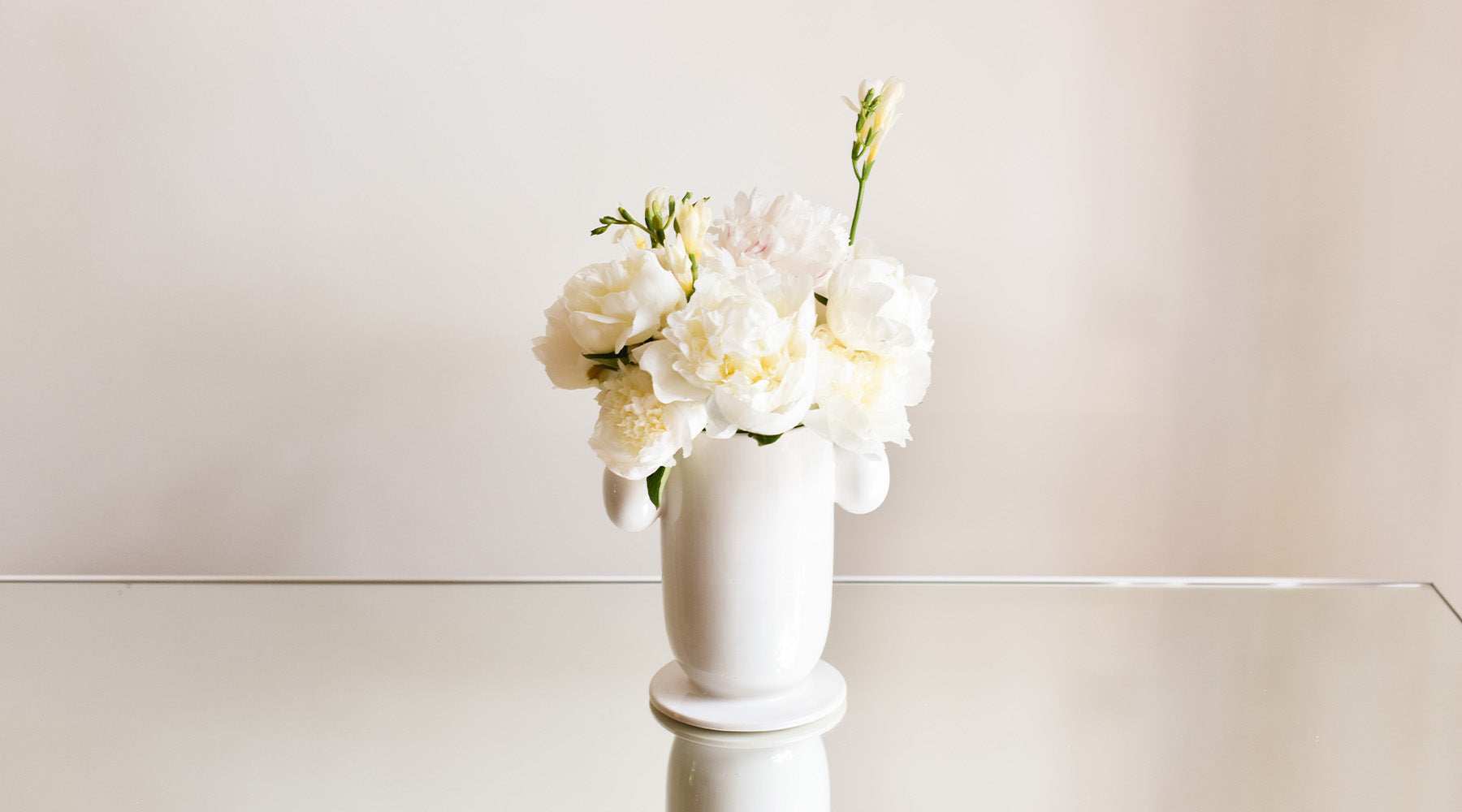
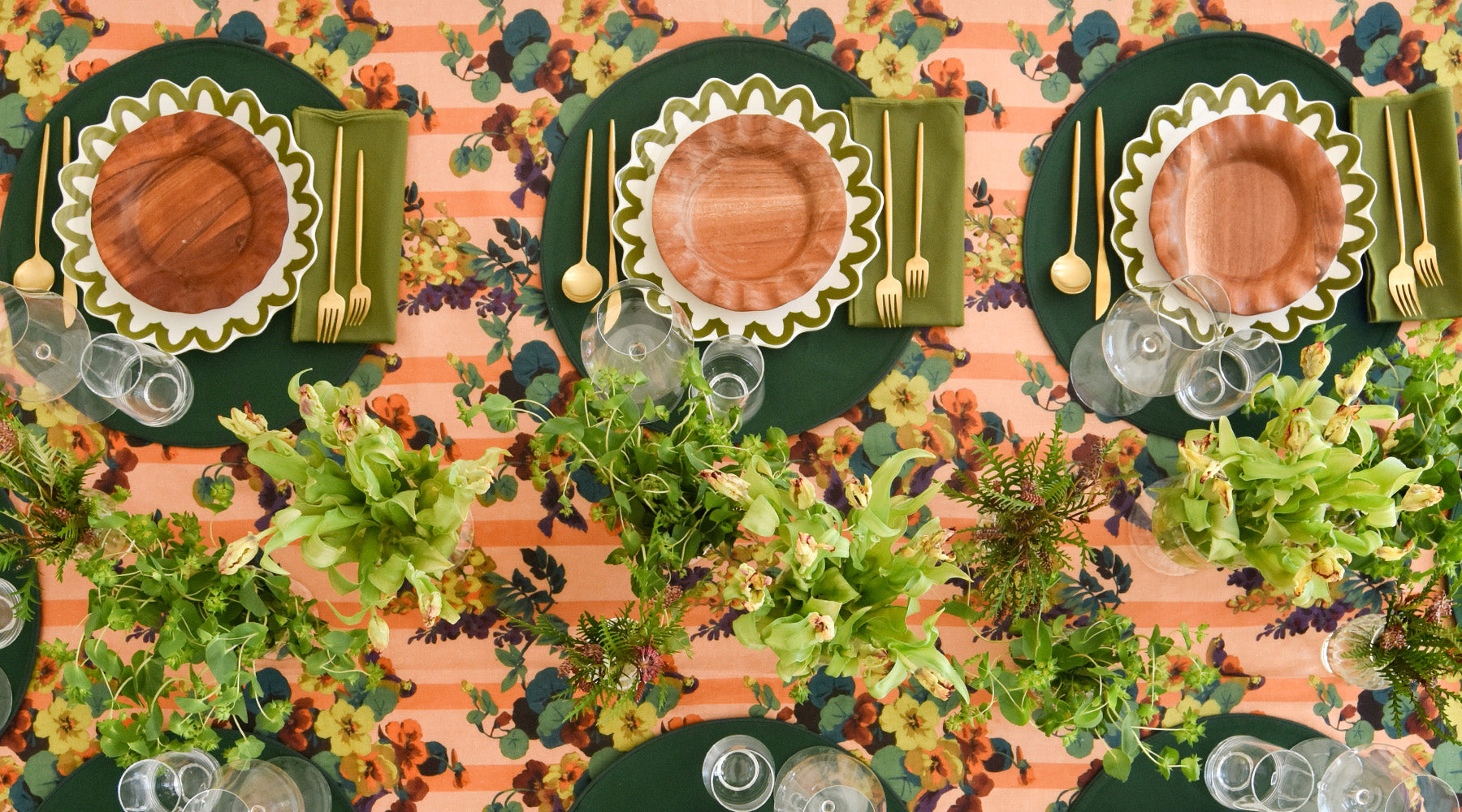
Centerpieces – When you set a table with a table centerpiece, it creates a focal point without overwhelming the space. Florals, bowls, or table accessories all work beautifully depending on the occasion.
Lighting and candles – Lighting sets the mood, and soft candlelight adds warmth and intimacy to any meal. Whether you’re setting the table for a casual dinner or a formal gathering, candles create a relaxed, inviting atmosphere. Candle holders are an easy way to add that glow.
How Can Serveware Complement Your Table Setting?
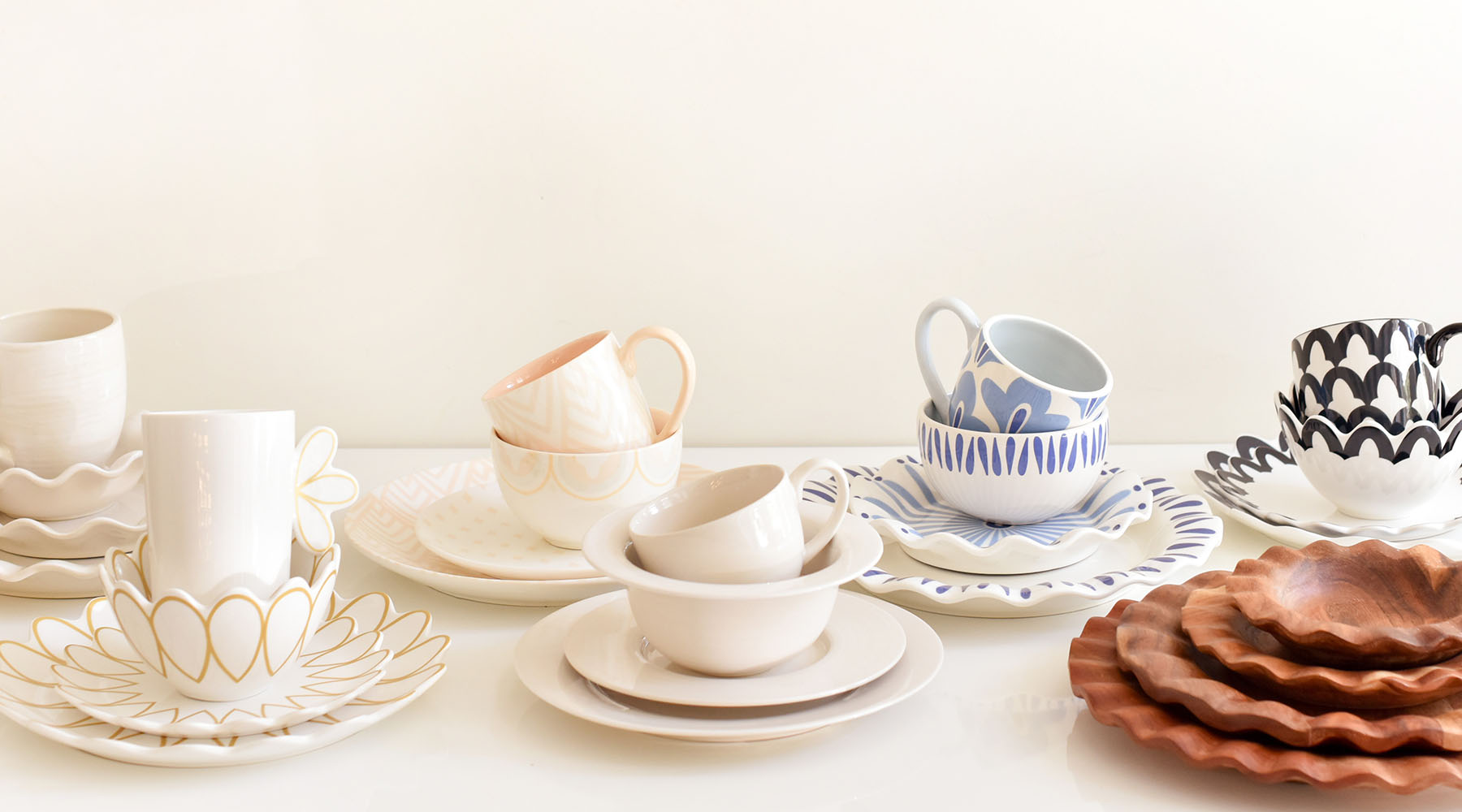
Serveware is part of the table setting conversation, even if it isn’t always the first thing that comes to mind. The bowls, platters, and trays that make it to the table contribute to the overall look just as much as your dinnerware and linens do. Choosing serveware that complements your color palette and aesthetic ties the whole setup together in a way that feels considered from every angle.
This is especially true for family-style serving, where serveware lives on the table throughout the entire meal. A thoughtfully chosen serving platter, a handled tray that doubles as a display moment, or a tiered stand that adds height and visual interest all elevate the table beyond the individual place settings. Serving bowls in coordinating glazes or complementary textures bring cohesion to the spread, turning the act of passing food around the table into part of the experience itself.

Where Can You Find Inspiration for Your Table Settings?
Knowing how to set a table doesn’t mean sticking to the expected. Some of the most memorable tables come from leaning into a theme, mixing unexpected textures, or letting a color palette do the heavy lifting.
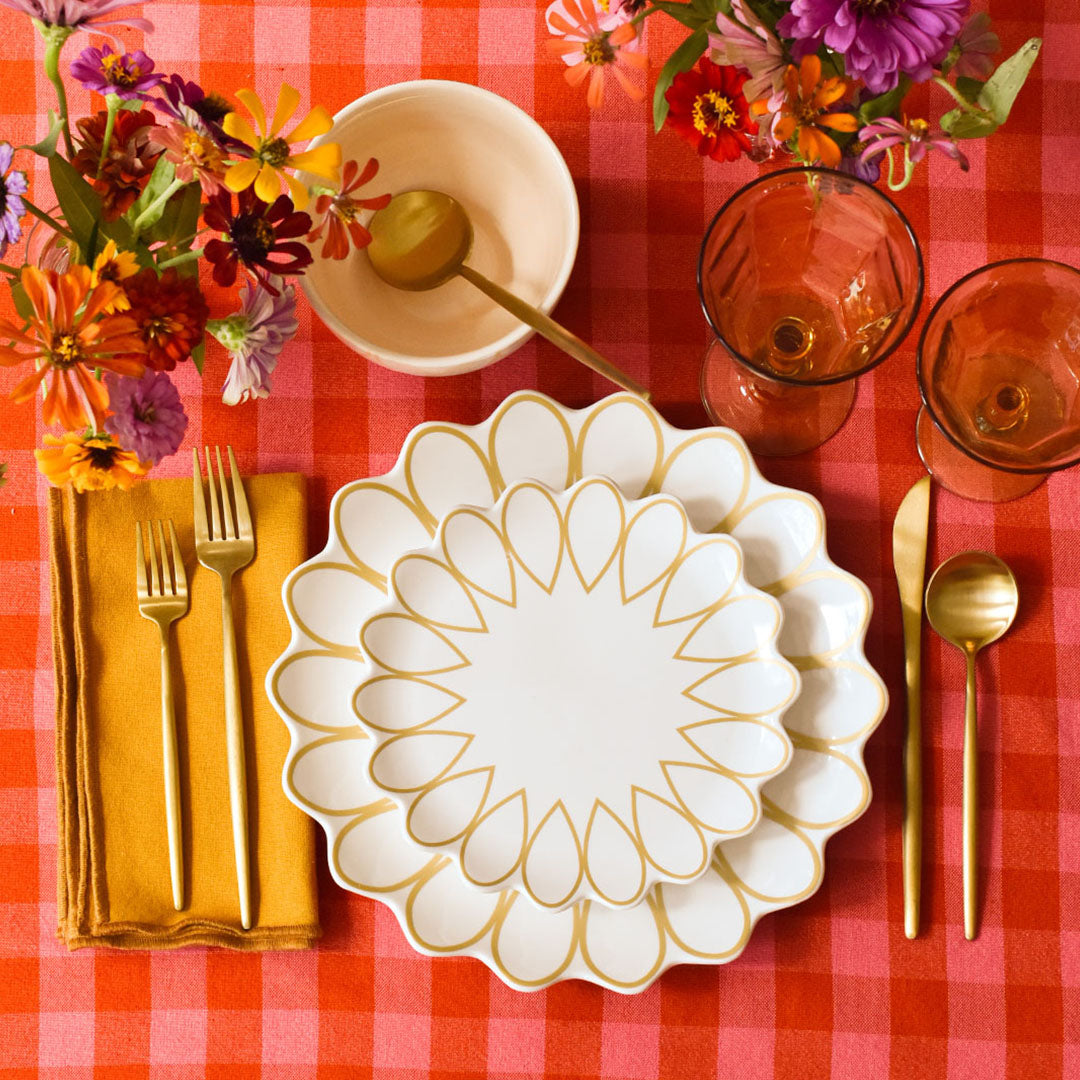
Try layering wood elements alongside your dinnerware for warmth and contrast, or introduce metallic accents through candle holders, flatware, or napkin rings for a subtle touch of shine. Mixing patterns within a cohesive color story is another way to create a look that feels curated rather than matched.
Don’t be afraid to have fun with it. Casual table settings are the perfect opportunity to pull out mismatched vintage finds, experiment with bold linens, or style around a seasonal moment. When you set a table with personality, the details become part of the conversation before anyone even sits down.

How Can Your Table Settings Change with the Seasons?
One of the most enjoyable parts of knowing how to set a table is realizing how much a few small swaps can transform the entire feel of your dining space. Seasonal table settings don’t require a full overhaul – they're about layering in the right colors, textures, and accents to reflect the time of year. Think of your core dinnerware and linens as the foundation, and the season as the direction.
The beauty of a seasonal approach is that it keeps your table feeling intentional and fresh without starting from scratch. Whether you’re resetting for a holiday gathering or simply want your everyday casual table setting to reflect what’s happening outside, small details go a long way. This is where setting a table becomes less of a task and more of a creative ritual.
How to Set a Table for Spring
Spring table settings are all about lightness and renewal. Soft pastels, fresh greens, and natural textures set the tone for a table that feels as alive as the season itself. Linen napkins in blush or sage, delicate florals, and lighter dinnerware patterns all work beautifully together to capture that sense of new beginnings.
When you set a table for spring, let the centerpiece do the talking. A low arrangement of tulips or ranunculus, a few scattered small vases, or even a handful of fresh herbs in a simple vessel all bring that outside-in quality that makes a spring table feel simple. Pair with a white tablecloth to keep the palette feeling open and airy.
Setting a Table for Summer
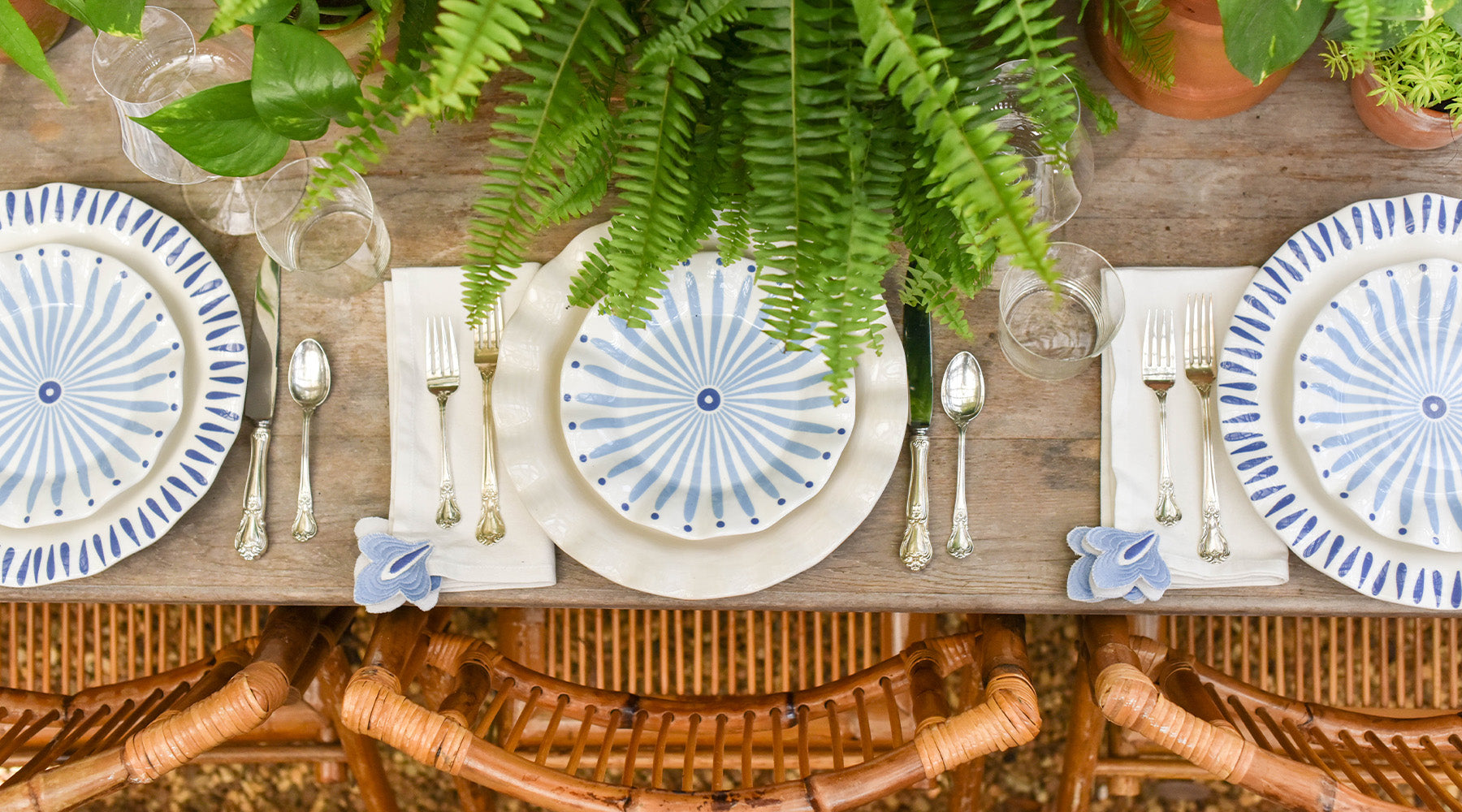
Summer calls for a table setting that feels relaxed, vibrant, and easy. Bold colors, playful patterns, and natural materials like rattan and wood reflect the season’s energy without feeling overdone. A casual table setting is perfectly at home here. After all, this is the season of outdoor gatherings, mismatched glasses, and meals that stretch into the evening.
Lean into texture and color when you set a table for summer. Striped or printed linens, citrus-toned accents, and simple ceramic dinnerware all contribute to a look that feels collected rather than coordinated. Fresh fruit, potted herbs, or a cluster of pillar candles create centerpieces that suit the laid-back spirit of the season.
What Tablescape Changes Should You Make for Autumn?
Autumn table settings are where warmth and richness really get to shine. Deep terracottas, burnt oranges, warm browns, and muted greens create a palette that feels grounded and inviting. This is the season to layer in heavier linens, bring out your warmest dinnerware, and lean into the kind of table setting that makes guests want to linger.
Wood elements, dried botanicals, and candlelight are your best tools when you set a table in autumn. A low centerpiece of dried grasses, gourds, or seasonal foliage adds texture without feeling overdone.
Layering a linen runner over a tablecloth or mixing matte and glazed ceramics gives the table that collected, lived-in quality that defines autumn entertaining at its best.
How Do You Set a Table for Winter?
Winter table settings call for drama, depth, and a sense of occasion. Deep jewel tones, rich neutrals, and the warm glow of candlelight create an atmosphere that feels both cozy and considered. This is the season where a more formal table setting feels right, even for an intimate dinner among close friends.
When you set a table for winter, lighting becomes as important as any other element. Taper candles, pillar candles, and metallic accents in gold or brass add warmth and a subtle shimmer that catches the light beautifully. Layer in a deep-toned tablecloth, velvet or heavyweight linen napkins, and a centerpiece built around evergreen branches, berries, or seasonal blooms to complete a table setting that feels like the season itself.
A beautiful table setting is less about getting everything right and more about showing up with intention. Whether you’re pulling together a quick weeknight dinner or styling a table for a celebration, the details you choose all add up to something that feels genuinely welcoming. That’s the real goal of any table setting – not a perfect result, but a personal one.
Use this table setting guide as a starting point and let it evolve. The more you set a table with care, the more natural it becomes to reach for details that reflect your own style and the people you love gathering around it. There’s no single right way to set a table – only the way that feels most like home.