Article: Plating Food at Home: Simple Techniques for a Beautiful Presentation
Plating Food at Home: Simple Techniques for a Beautiful Presentation
Food is often described as something we taste first with our eyes, and there’s real truth behind that idea. Before anyone takes the first bite, the way a meal is presented creates an expectation for the experience ahead, setting the tone for everything that follows. Learning a few simple food plating techniques doesn’t require culinary school or restaurant training to make an impact. food plating techniques doesn’t require culinary school or restaurant training to make an impact.
Thoughtful food presentation can make everyday breakfasts, weeknight dinners, and holiday gatherings feel a little more intentional, helping the colors, textures, and flavors of your meal shine. Whether you’re serving a family dinner or hosting friends, understanding the basics of plating food helps transform even simple recipes into meals that feel special. plating food helps transform even simple recipes into meals that feel special.

Why Does Food Presentation Matter?
Food presentation does far more than make a meal look attractive; it shapes how we experience it from the moment it reaches the table. A thoughtfully plated meal encourages guests to slow down, notice the ingredients, and appreciate the care that went into preparing it. Beautifully plated food naturally creates anticipation before the first bite, making a meal feel more memorable regardless of how simple it may be.
Presentation also affects the overall flow of dining. Plating food by separating ingredients, creating visual balance, and leaving room on the plate makes each meal component easier to enjoy, and even familiar comfort foods can be refreshed when served with intention rather than simply placed on a plate. That goal isn’t perfection – it's creating a food presentation that feels welcoming, balanced, and enjoyable to eat.

What is the Psychology Behind Plating Food?
Our brains begin evaluating food long before we taste it. Color, shape, spacing, and contrast all influence expectations about freshness, flavor, and quality, which is why food presentation carries so much weight in how a dish is received. Bright vegetables, vibrant herbs, and contrasting ingredients naturally stimulate appetite because they signal variety and freshness.
Arrangement also plays a role in perceived flavor, and meals that feel visually balanced often feel more balanced when eating them as well. Plating food in a way that gives each ingredient space allows guests to appreciate individual textures while encouraging them to combine flavors however they choose. This kind of intentional food presentation communicates care and hospitality, making guests feel valued before the meal even begins.

What are the Basics of Plating Food?
Plating food properly starts with a few timeless design principles. Rather than trying to recreate restaurant presentations, focus on creating balance, contrast, and visual interest that feels approachable at home. These principles offer a helpful starting point for anyone new to food presentation.
Key Food Plating Principles:
Balance – Distribute food evenly, so the plate feels visually stable without appearing crowded. This plating food trick keeps the eye moving naturally across the dish rather than settling on one overloaded area.
Color contrast – Pair ingredients with different colors to create a vibrant, appetizing food presentation. A mix of hues signals freshness and variety before a single bite is taken.
Portion sizing – Leave room around the food so each ingredient has space to stand out when plating food. Overcrowding a plate can make even a well-cooked meal feel messy or rushed.
Texture variety – Combine crisp, creamy, smooth, and crunchy elements for visual and culinary interest. This variety keeps each taste engaging and adds depth to the overall food presentation.
Height – When plating food, try to layer ingredients or slightly stack components to create depth. A little dimension makes a plate feel more dynamic without requiring any special equipment.
Focal point – Let one element become the centerpiece while supporting ingredients complement it. This gives the eye a natural place to land and builds the rest of the presentation around it.
Negative space – Empty space isn’t wasted space; it helps draw attention to the food. Leaving the edges of the plate clear keeps the presentation feeling intentional rather than cluttered.
Consistency – Repeat plating techniques across dishes for a cohesive presentation. This is especially helpful when serving multiple courses or hosting a large plated gathering.

How Does Plate Shape and Size Affect Your Food Presentation?
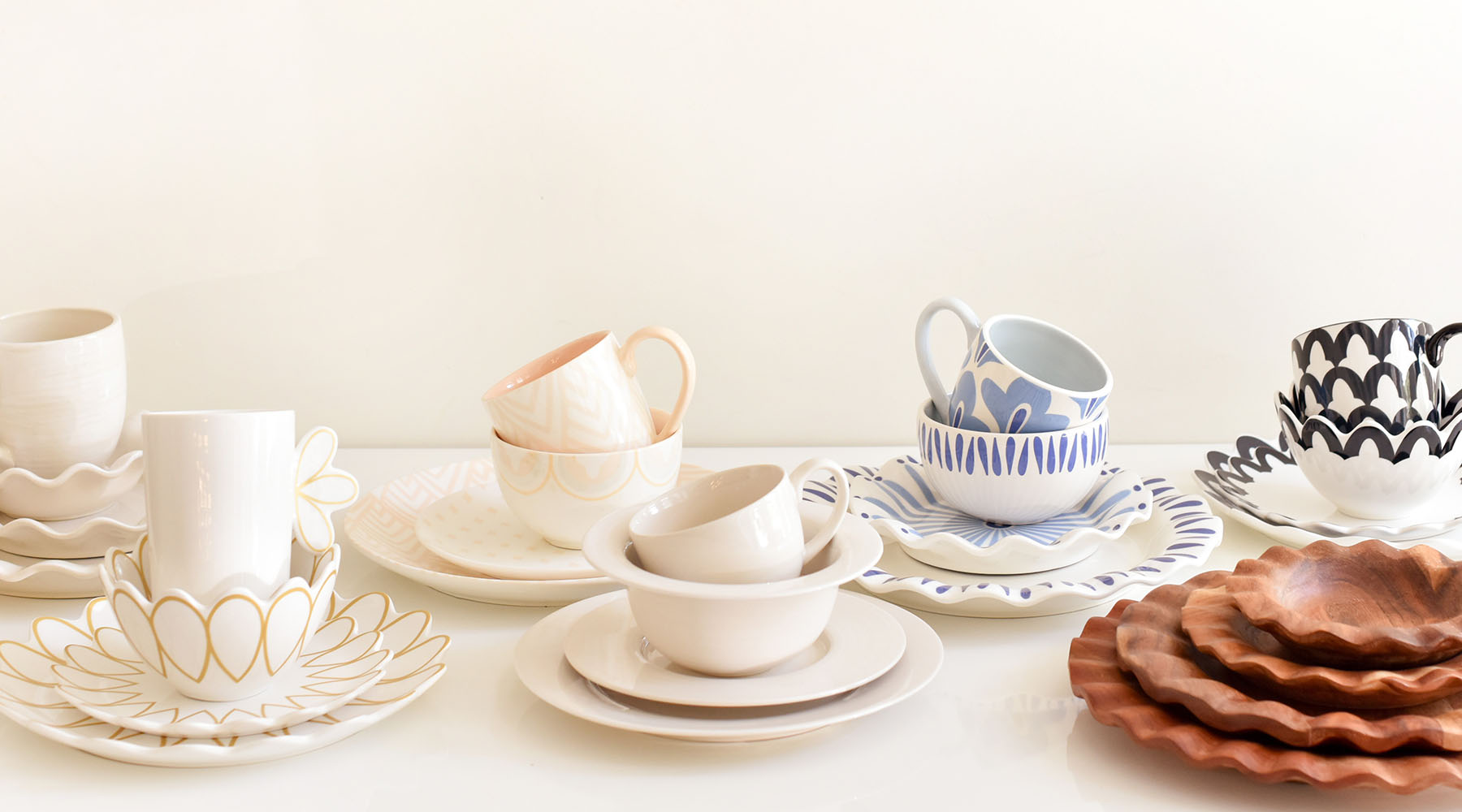
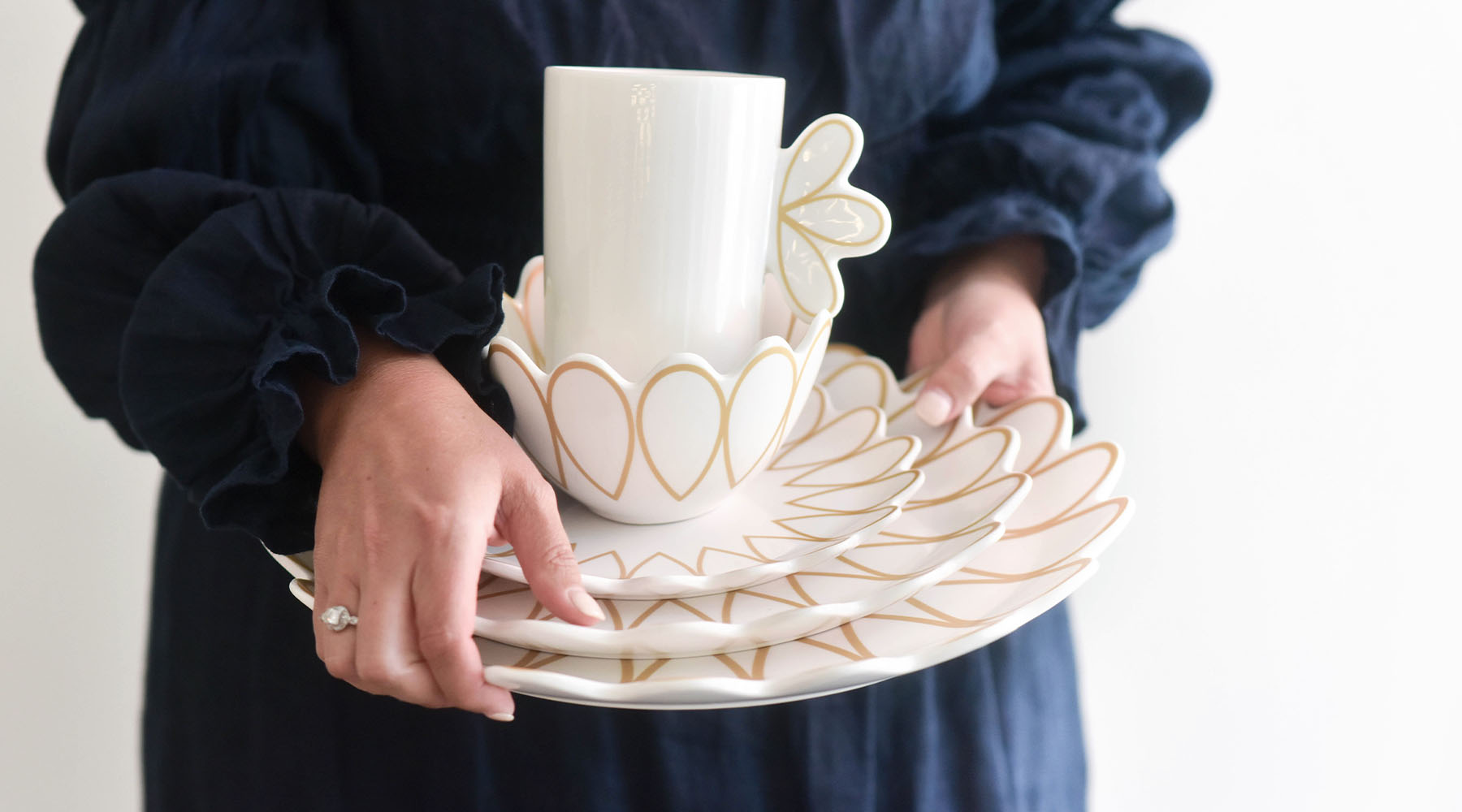
From salad plates to dinner plates, the plate itself becomes part of the presentation. Its shape, size, and color help frame the meal, influence portion perception, and determine how much visual space each ingredient has, making it one of the most overlooked tools in food presentation. Choosing the right plate is often the first step in learning how to elevate a meal before any ingredients are even arranged.
The Different Types of Plates:
Wide rim – Frames the food and naturally draws attention toward the center of the plate. This style works especially well for plating food that could benefit from a defined boundary.
Narrow rim – Creates a more casual feel while maximizing serving space. It’s a practical choice for larger portions or family-style meals.
White plates – Allow colorful ingredients to stand out and complement nearly any cuisine. White plates {like the selections in our Signature White Collection} are some of the most versatile options for plating food.
Colored plates – Add personality and reinforce seasonal or themed tablescapes. They work well when the goal is to make a gathering feel more festive or curated.
Large dinner plates – Ideal for composed entrées where space and presentation matter. The extra surface area gives each element room to shine.
Salad plates – Perfect for appetizers, desserts, lunches, or smaller portions. Using a smaller plate for plating food can also help portions look more generous.
Round plates – Classic, versatile, and suitable for nearly every style of meal. The simple shape of round plates keeps the focus on the food itself.
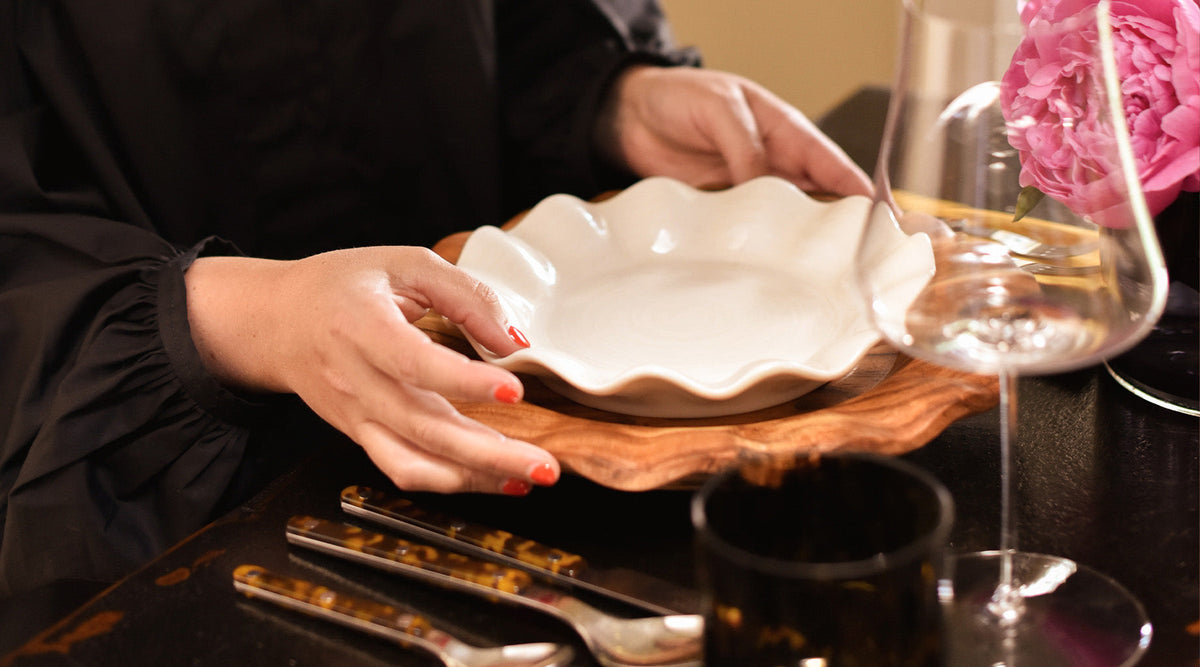
Organic or shaped plates – Add movement and visual interest while creating a more artistic presentation. These styles work well for hosts looking to experiment with plating techniques beyond the traditional round plate.

Which Plating Techniques Create the Best Visual Appeal?
Professional chefs rely on surprisingly simple plating techniques that are easy to recreate at home, and a few small habits go a long way in improving everyday food presentation. Start with the protein, then build vegetables and starches around it, so the plate develops in a logical order. Slicing meats, cutting against the grain, and fanning pieces slightly shows off texture and doneness in a way that a single unsliced portion can’t.
Sauce placement is where plating food really comes together. A swoop, a few dots, or a light drizzle can guide the eye across the plate and connect the separate components into one composition. Grouping ingredients intentionally {rather than letting everything touch or blend} keeps plating food purposeful, even if some dishes naturally call for a more rustic, mixed approach. Small, considered choices like these tend to read more polished than any single dramatic gesture.
The Art of Sauces and Garnishes When Plating a Dish
Sauces and garnishes should complement the dish, not overwhelm it. Think of them as finishing touches that complete the food presentation, and apply them with a lighter hand than the base layers of the meal. Rather than covering the entire plate with sauce, spoon it beneath the main ingredient, create a clean drizzle, add small pools beside the entrée, or brush a swipe across the plate for a bit of visual movement.
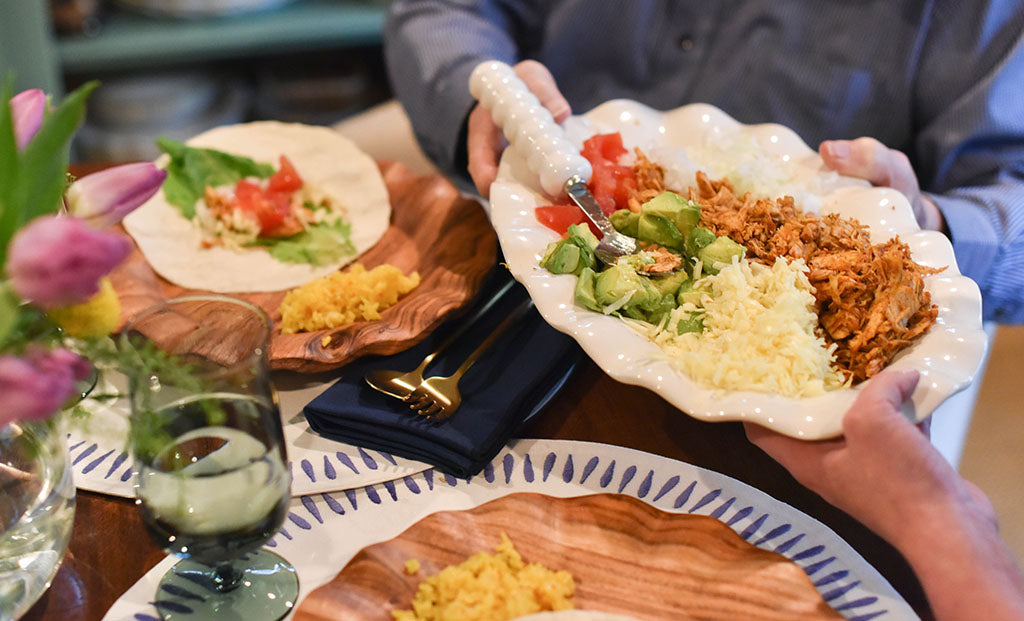
For dishes served family-style, a gravy boat keeps sauce contained and lets each guest add as much or as little as they like, which is a simple way to keep things neat when multiple people are serving themselves. Garnishes should always contribute to flavor or aroma rather than sit on the plate purely for looks. Fresh herbs, citrus zest, edible flowers, grated cheese, toasted nuts, or cracked pepper all enhance both food presentation and taste.

What is the Best Way to Serve and Plate Salads?
The depth of a serving bowl keeps dressings, greens, and toppings contained in a way a flat surface simply can’t. The curved sides allow a salad to be tossed easily, distributing dressing evenly without pieces sliding off the edge, and this approach to plating food means every bite ends up as well coated as the first. An Italian Chopped Salad, with its mix of chopped vegetables, cheese, and dressing, is a good example of how a serving bowl’s shape holds everything together.
Once the salad is tossed, though, salad plates offer their own advantage for food presentation. Their shallow, wide surface gives greens and toppings room to spread out, making layered ingredients like shaved cheese, nuts, or sliced fruit easier to see and serve. Plating a salad this way turns a simple dish into something that feels composed and ready for the table.
Best Bowl Types for Soups
Aside from the obvious reasons, soup always calls for a bowl because it helps soup recipes retain heat far longer than a shallow plate, keeping each spoonful closer to its intended temperature from the first bite to the last. Beyond that, the right bowl style makes a real difference in how soup is enjoyed. Wide, shallow bowls work well for chunkier soups and stews, giving ingredients room to be seen, while deeper, narrower bowls suit broths and pureed soups that benefit from staying warmer longer.
Handled bowls are another strong option, especially for soups meant to be sipped or served alongside bread. A bowl also makes soup easier to eat overall, giving a spoon somewhere to rest against the sides and preventing spills. Choosing the right bowl style is one of the simplest ways to elevate food presentation for any soup course. food presentation for any soup course.

What Type of Serveware Works Best for Pasta Dishes?
Pasta dishes benefit from wide, shallow pasta bowls that combine the best features of a bowl and a plate. They provide enough depth to hold sauces while giving noodles room to be twirled comfortably, which makes them one of the most practical choices in food presentation for everyday cooking. A set like our Iris Blue Pasta Bowls shows how a wide, shallow shape can feel both functional and polished at the table.
Do Handled Bowls Change the Way You Serve?
Handled bowls make serving feel more comfortable, especially when transporting warm dishes from the kitchen to the table. The handles provide additional stability while doubling as a decorative design element.
They’re especially useful for family-style side dishes like our Artichokes with Lemon Sauce recipe, pasta, vegetables, grain salads, and shared appetizers. Beyond function, they invite guests to pass dishes comfortably around the table for a more relaxed, connected dining experience that fits naturally into any thoughtful food presentation.

When Should You Reach for a Covered Bowl?
Covered bowls help preserve both temperature and presentation from kitchen to table. Keeping food covered until serving locks in warmth while protecting the dish during transport.
They’re the ideal selection for side dishes, vegetables, rice, holiday favorites, and make-ahead recipes waiting to be served. Covered bowls also create a sense of anticipation, allowing guests to discover the meal as the lid is lifted at the table, adding one more layer to thoughtful food presentation.

How Do You Choose Between a Plate and a Bowl for Any Dish?
Choosing the right vessel depends on how the food is meant to be enjoyed, and it’s one of the most overlooked steps in good food presentation. Consider both practicality and plating food techniques before serving, since the wrong choice can undercut even the most carefully prepared meal.
7 Tips for Choosing a Plate or Bowl for Plating Food:
1. Choose a plate when you want to showcase individual components
2. Choose a bowl for dishes with sauces, broths, or dressings
3. Use pasta bowls for meals that benefit from both width and depth
4. Select smaller plates for serving appetizers and desserts
5. Reach for handled bowls when serving family-style dishes
6. Use covered bowls to keep food warm until everyone is seated
7. Match your serveware to the dining experience, not just the recipe, since plating food thoughtfully starts with the right vessel
How Does Your Table Setting Complement Your Plating?
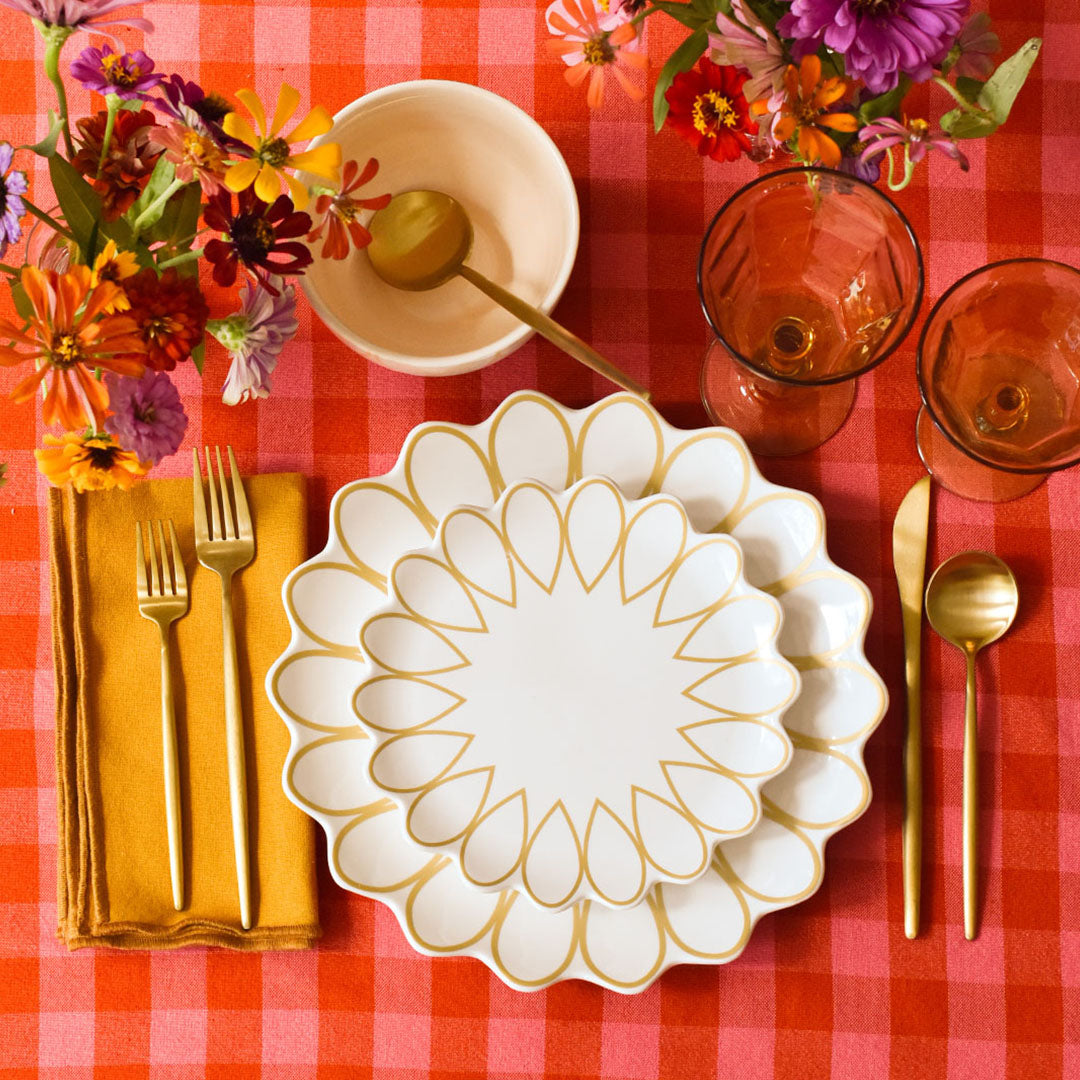
Great food presentation doesn’t stop at the edge of the plate. Table linens, place settings, and surrounding serveware all influence how a dish is perceived, and a table that feels coordinated makes even simple plating food techniques look more intentional. Pairing dinnerware with complementary colors and textures on the table creates a cohesive experience from the first glance to the last bite, turning a well-plated meal into a fully considered presentation.
Stunning food presentation doesn’t require professional training. Small, thoughtful food plating techniques can make everyday meals feel intentional and inviting. Choosing the right plate or bowl is just as important as the food itself, helping enhance presentation and the overall dining experience. Simple touches like balanced proportions, fresh garnishes, thoughtful sauce placement, and a little negative space can elevate even the most familiar recipes.
As you practice plating food, you’ll find that presentation encourages guests to slow down, appreciate the meal, and enjoy gathering around the table together. With the right serveware and a few approachable plating techniques, every meal becomes an opportunity to create a beautiful, memorable experience, whether it’s a weeknight dinner or a special celebration.